The Role of Professional Electrical Services in Safe and Reliable New Construction Projects
Constructing a new building involves a multitude of critical processes, and electrical systems are among the most vital components of a safe, functional structure. Electrical work in new construction goes beyond simply installing outlets and lighting. It involves designing a network that supports current needs while accommodating future expansion. Improperly executed electrical installations can lead to costly delays, safety hazards, and long-term operational inefficiencies. As new construction projects continue to rise in complexity, the role of professional electrical services becomes increasingly significant in ensuring both safety and reliability. In addition, careful electrical planning directly impacts building efficiency, occupant comfort, and the long-term operational success of the property. Investing in expert electrical design from the outset mitigates unforeseen complications and contributes to a smoother overall construction process.
Engaging experienced electrical professionals early in the construction process offers multiple advantages. Proper planning and precise execution reduce the risk of electrical failures, minimize energy waste, and maintain compliance with evolving safety codes. Skilled electricians provide insight into system design, materials selection, and technological integration, which helps avoid costly retrofits or adjustments post-construction. From managing load calculations to implementing advanced wiring techniques, professional electrical services serve as the backbone of any modern construction project, guaranteeing that electrical infrastructure supports the overall functionality and sustainability of the building. Moreover, professional involvement ensures integration with other systems like HVAC, plumbing, and smart technology, creating a cohesive and future-ready infrastructure. Early collaboration also streamlines project timelines, reduces costly rework, and ensures every aspect of the electrical system aligns with both safety standards and modern building expectations.
Planning and Design for New Construction Electrical Systems
Importance of Early Electrical Planning
Early-stage planning is essential for integrating electrical systems seamlessly into new construction projects. Electrical schematics must align with architectural designs, ensuring that power distribution, lighting, and outlets are positioned for maximum efficiency and convenience. Coordinating with other trades, such as plumbing and HVAC, prevents conflicts that could disrupt schedules or increase costs. An electrical plan that considers all aspects of the building—residential, commercial, or industrial—ensures smooth workflow and reduces the likelihood of future modifications.
Load Calculations and Energy Management
Determining power demands accurately is critical to prevent overloads and system failures. Load calculations analyze the total electrical needs, including lighting, HVAC, appliances, and future technological upgrades. Incorporating energy-efficient solutions, such as LED lighting, smart controls, and renewable energy options, contributes to long-term savings and sustainability. Real-world examples show that buildings designed with precise load management often experience fewer outages, lower energy bills, and enhanced safety for occupants.
Integration of Modern Technology
Modern construction increasingly incorporates smart systems and automation. Professional electrical services ensure that wiring infrastructure can support high-speed internet, security systems, and smart devices without compromising safety. Planning for advanced technologies during the design phase avoids expensive retrofits and ensures buildings are future-proofed for evolving technological requirements.
Safety and Code Compliance
- Adherence to National Electrical Code (NEC)
Compliance with local and national electrical codes is non-negotiable in new construction. The National Electrical Code (NEC) sets minimum safety standards to protect occupants from electrical hazards such as shocks, fires, and equipment damage. Professional electricians possess deep knowledge of NEC regulations and local amendments, ensuring that installations meet or exceed required standards. Non-compliance can lead to costly penalties, project delays, or dangerous electrical conditions that threaten lives and property.
- Implementing Safety Measures
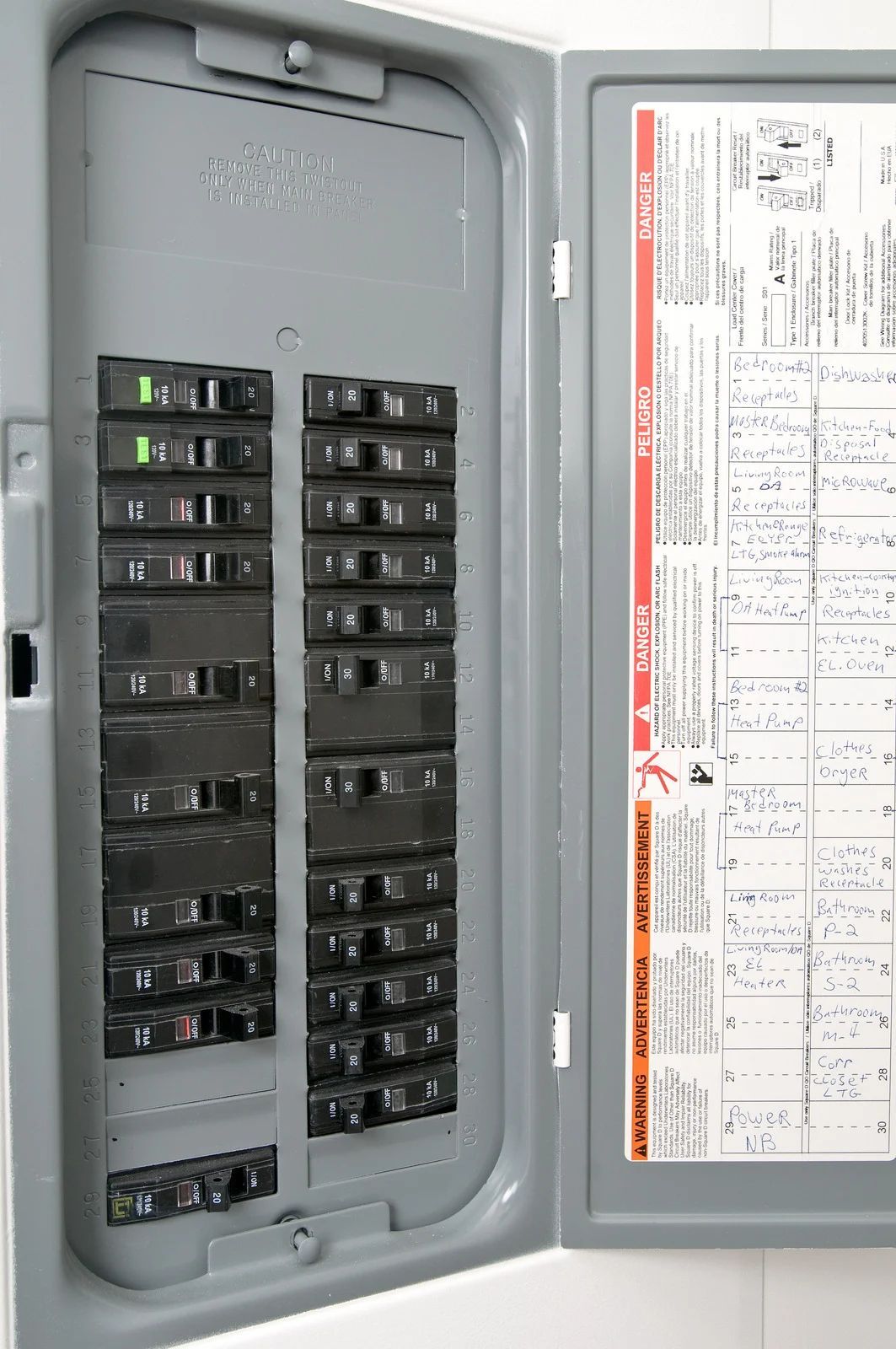
Proper grounding, surge protection, and circuit design are fundamental safety measures implemented by skilled professionals. For example, correctly grounding electrical panels and installing arc-fault circuit interrupters (AFCIs) can prevent fires in residential buildings. Industrial construction requires additional safety measures, such as high-capacity surge protection and emergency power systems, to protect sensitive equipment and maintain operational continuity.
- Case Study: Preventing Electrical Hazards
Consider a multi-story commercial building where electrical systems were initially installed without thorough planning. Frequent outages, tripped breakers, and overheating circuits were common. Retrofitting the building with professionally designed wiring, updated panels, and surge protection solved these issues, highlighting the value of professional services in preventing hazards and ensuring regulatory compliance.
Installation and Quality Assurance
Precision in Electrical Installation
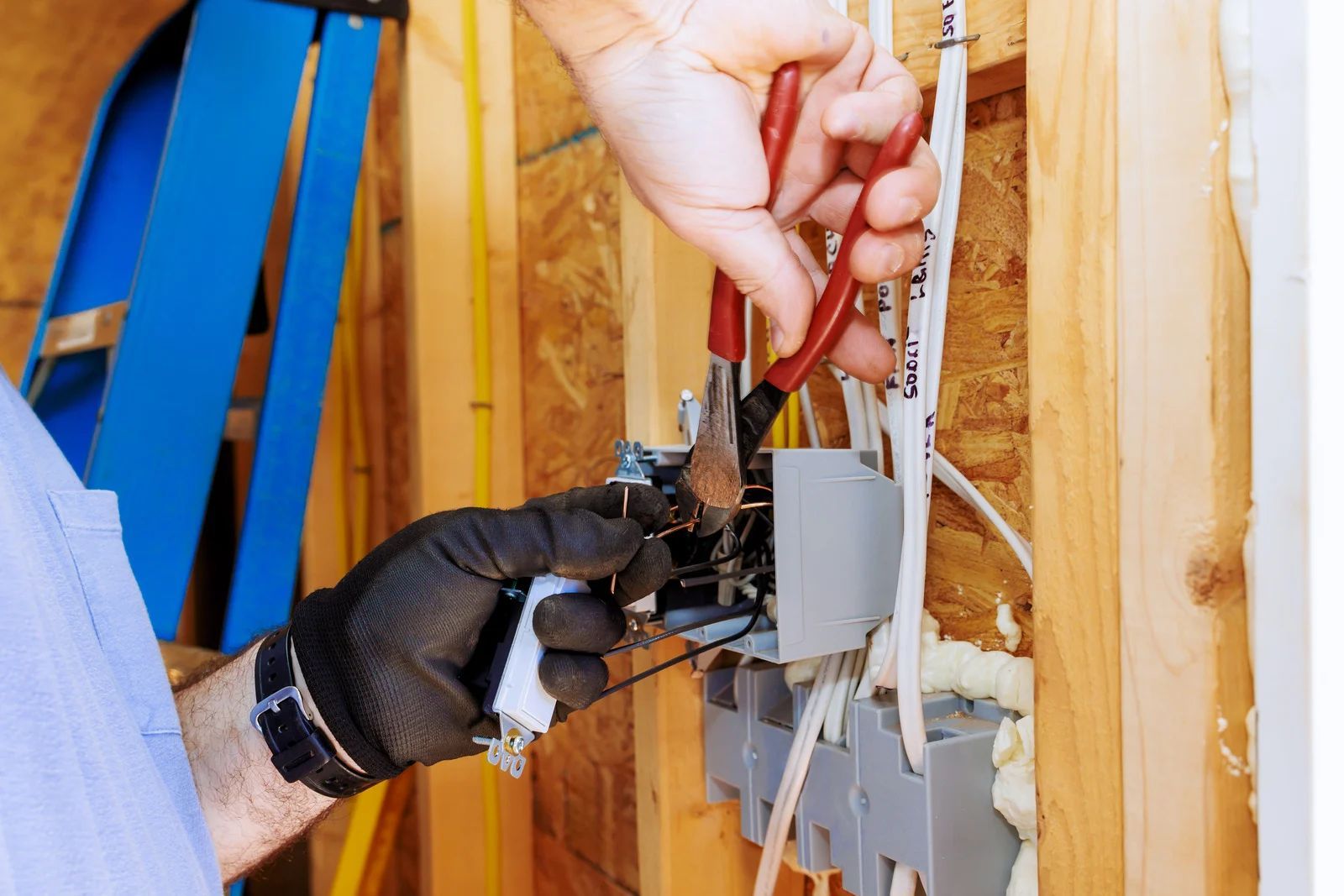
Professional electrical services focus on precision during installation to ensure long-term reliability. This includes accurate wiring, correct placement of outlets and fixtures, and secure connections in panels and junction boxes. Precision reduces the risk of future system failures, short circuits, or downtime caused by faulty installations. Installing high-quality components with attention to detail ensures durability, functionality, and safety.
Testing and Inspection Procedures
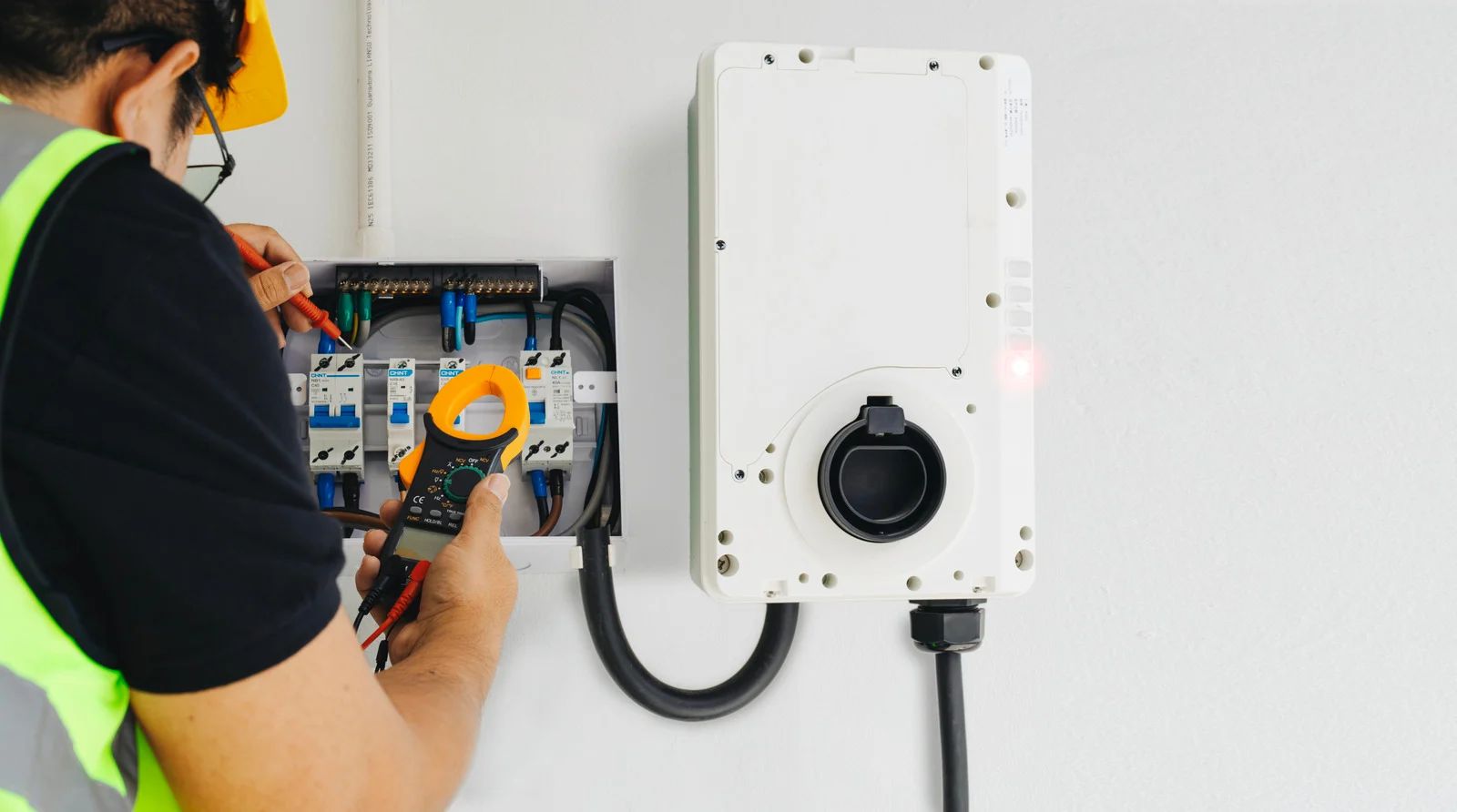
Thorough testing and inspections are integral to guaranteeing a reliable electrical system. Professionals employ tools such as circuit analyzers, insulation testers, and infrared cameras to detect faults, weak connections, or overloaded circuits. Real-world applications show that early identification of potential issues prevents costly repairs and avoids operational interruptions. Quality assurance also includes verifying compliance with design specifications, codes, and safety standards before project handover.
Benefits of Professional Installation
Buildings with professionally installed electrical systems experience smoother operations, lower maintenance costs, and improved safety for occupants. Additionally, proper installation enhances energy efficiency and reduces the risk of damage to sensitive equipment, supporting sustainable building operations.
Managing Complex Systems and Future-Proofing
- Designing for Scalability
Modern construction requires flexibility to accommodate future expansions or technological upgrades. Professional electrical services design systems with scalability in mind, allowing additional circuits, higher load capacities, and advanced automation without extensive renovations or costly interruptions. For example, commercial buildings may integrate provisions for electric vehicle charging stations, extra server rooms, or expanded office spaces, ensuring readiness for evolving operational and technological needs.
- Smart Infrastructure Integration
Integrating smart technology requires specialized knowledge in networking, sensor systems, and automated controls for optimal performance. Professionals ensure proper wiring for intelligent lighting, HVAC management, security systems, and energy monitoring tools. Future-proofing electrical systems saves long-term costs, enhances functionality, and supports sustainability goals by facilitating energy-efficient operations and reducing environmental impact across the building.
- Minimizing Operational Disruptions
Buildings with carefully planned electrical infrastructure experience fewer disruptions during upgrades, expansions, or emergency maintenance. Properly documented circuits, panels, and connections simplify troubleshooting and reduce downtime significantly. Skilled electricians anticipate potential bottlenecks, implement strategic solutions, and coordinate with other trades to minimize interruptions to occupants, tenants, or business operations throughout the building’s lifecycle.
Challenges in New Construction Electrical Work
Common Obstacles
New construction projects often face challenges that can directly affect electrical work quality and timing. Tight timelines, coordination between multiple trades, and unexpected changes in design or material availability can create significant complications. Professionals navigate these challenges with careful planning, effective communication, and proactive problem-solving strategies, ensuring projects stay on schedule without compromising safety, code compliance, or overall construction quality.
Risk Management
Electrical work involves inherent risks, including electrical shock, fire hazards, equipment damage, and unforeseen structural issues. Trained professionals employ strict safety protocols, use proper personal protective equipment, and follow all regulatory standards diligently to mitigate risks. Managing these risks effectively is essential to protecting the project, construction workers, and future occupants from preventable hazards or operational interruptions.
Solutions and Best Practices
Implementing phased inspections, clear documentation, and frequent coordination meetings reduces the impact of construction challenges on timelines and safety. Early engagement of professional electrical services allows for timely problem-solving, proper integration with other trades, and proactive adjustments to design. Best practices include using standardized materials, conducting thorough quality testing, and staying consistently updated on evolving codes, regulations, and modern electrical technologies.
The Value of Professional Expertise
- Expertise Beyond Installation
Professional electrical services extend far beyond basic installation tasks in new construction projects. Expertise includes system design, troubleshooting, maintenance planning, strategic recommendations, and ongoing technical support. Skilled professionals bring insights gained from years of hands-on experience, ensuring that electrical systems perform efficiently, safely, and reliably from day one without causing future operational disruptions.
- Long-Term Benefits
Investing in professional electrical services during new construction leads to long-term benefits such as enhanced safety, reduced operational costs, energy efficiency, and simplified maintenance requirements. Buildings with well-designed electrical systems experience fewer outages, lower energy consumption, improved occupant satisfaction, and long-term operational resilience that supports sustainable and uninterrupted building performance over many years.
- Real-World Example
In a commercial office complex, professional electrical planning allowed integration of high-efficiency lighting, automated HVAC controls, and advanced safety systems across all floors. The result was dramatically reduced energy bills, minimal maintenance issues, and a safer, more comfortable environment for tenants and employees alike. This example clearly demonstrates the tangible advantages of relying on experienced professionals during every phase of construction and operational setup.
Professional Electrical Services Backed by Years of Experience
Professional electrical services play a crucial role in new construction projects, ensuring safety, reliability, and operational efficiency. From meticulous planning and design to precise installation and future-proofing, these services protect both the structure and its occupants. Compliance with electrical codes, adherence to safety protocols, and integration of advanced technology provide a solid foundation for buildings that are functional, efficient, and durable. Challenges in construction are effectively managed through expertise, careful coordination, and strategic problem-solving, demonstrating that professional involvement is not just beneficial—it is essential.
At Totem Electric Inc, located in Greeley, Colorado, over 36
years of experience has established a reputation for delivering reliable, high-quality
electrical services for new construction projects. Our commitment to safety, precision, and innovation ensures that every project meets the highest standards. Partnering with us guarantees professional guidance, expert execution, and long-term reliability, making electrical infrastructure a strength rather than a vulnerability in any construction project. Our focus is creating safe, energy-efficient, and future-ready systems that stand the test of time.