Troubleshooting Electrical Issues: Why DIY Isn’t Always the Best Option
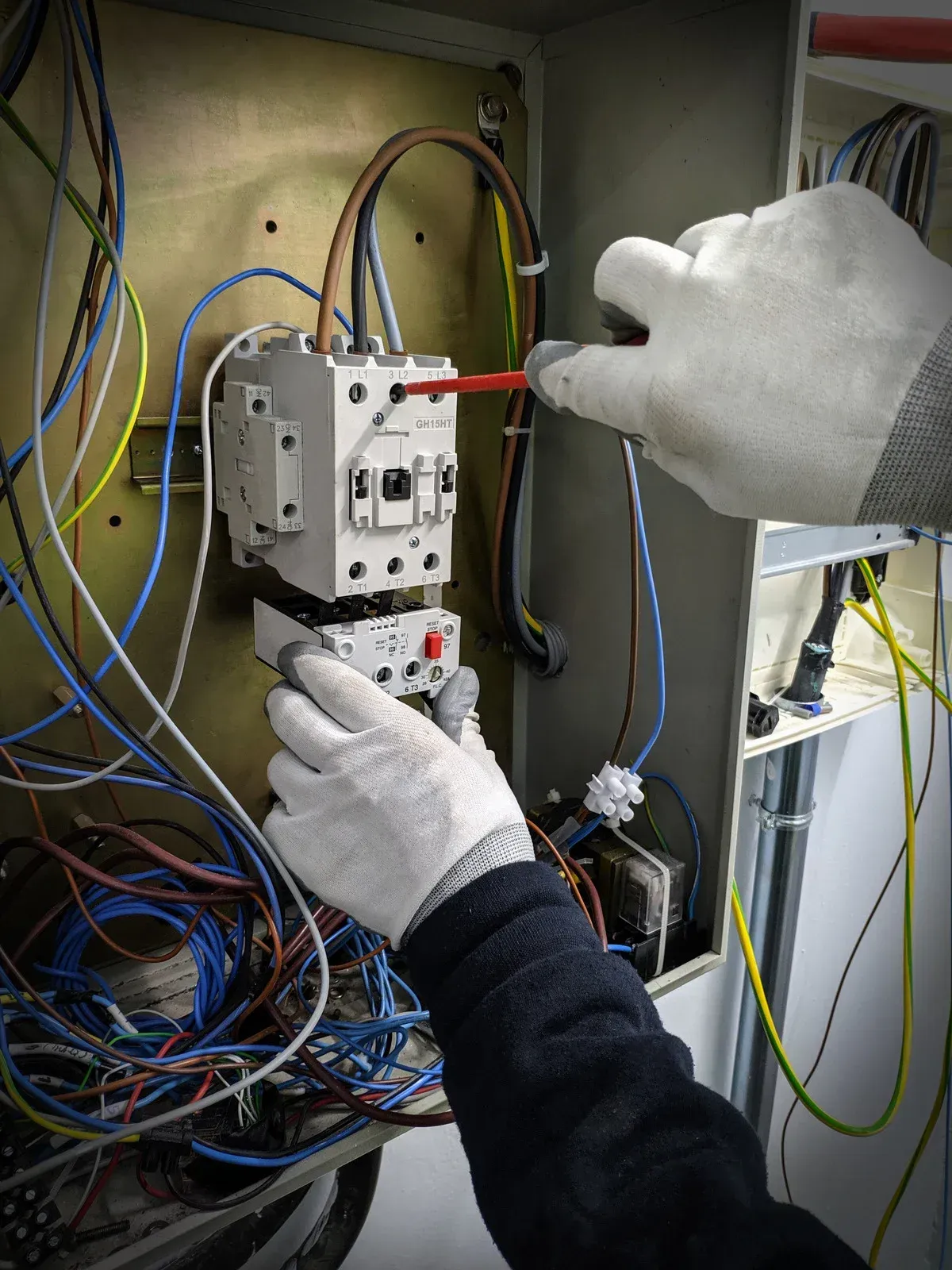
Electrical systems are the backbone of modern living, powering everything from household appliances to critical technology. When a malfunction occurs, it can disrupt daily routines, pose safety risks, and even cause property damage. Many homeowners and small business operators consider tackling electrical issues themselves, motivated by convenience or cost-saving. While some minor maintenance tasks, like changing a light bulb or resetting a breaker, can be safely performed, more complex electrical troubleshooting often goes beyond simple fixes. Without proper training, tools, and knowledge, attempts to repair electrical systems can quickly escalate into dangerous situations, including electrical shocks, fires, or permanent equipment damage. Even seemingly straightforward problems, such as flickering lights or tripped breakers, can hide deeper underlying issues that require careful assessment and professional expertise.
Understanding why professional intervention is critical starts with recognizing the risks and complexities involved in electrical systems. Every home or business wiring network has unique characteristics—circuit loads, grounding methods, and compliance with local electrical codes—that influence the safety and effectiveness of any repair. Attempting DIY solutions without this insight can lead to errors that compromise both safety and functionality. Moreover, improper repairs can result in repeated malfunctions, costly replacements, or violations of local regulations. This blog explores the challenges of DIY electrical troubleshooting, common pitfalls, and why relying on professional electricians is often the safest and most efficient choice for protecting property, equipment, and personal well-being.
Understanding Electrical Troubleshooting
What Electrical Troubleshooting Entails
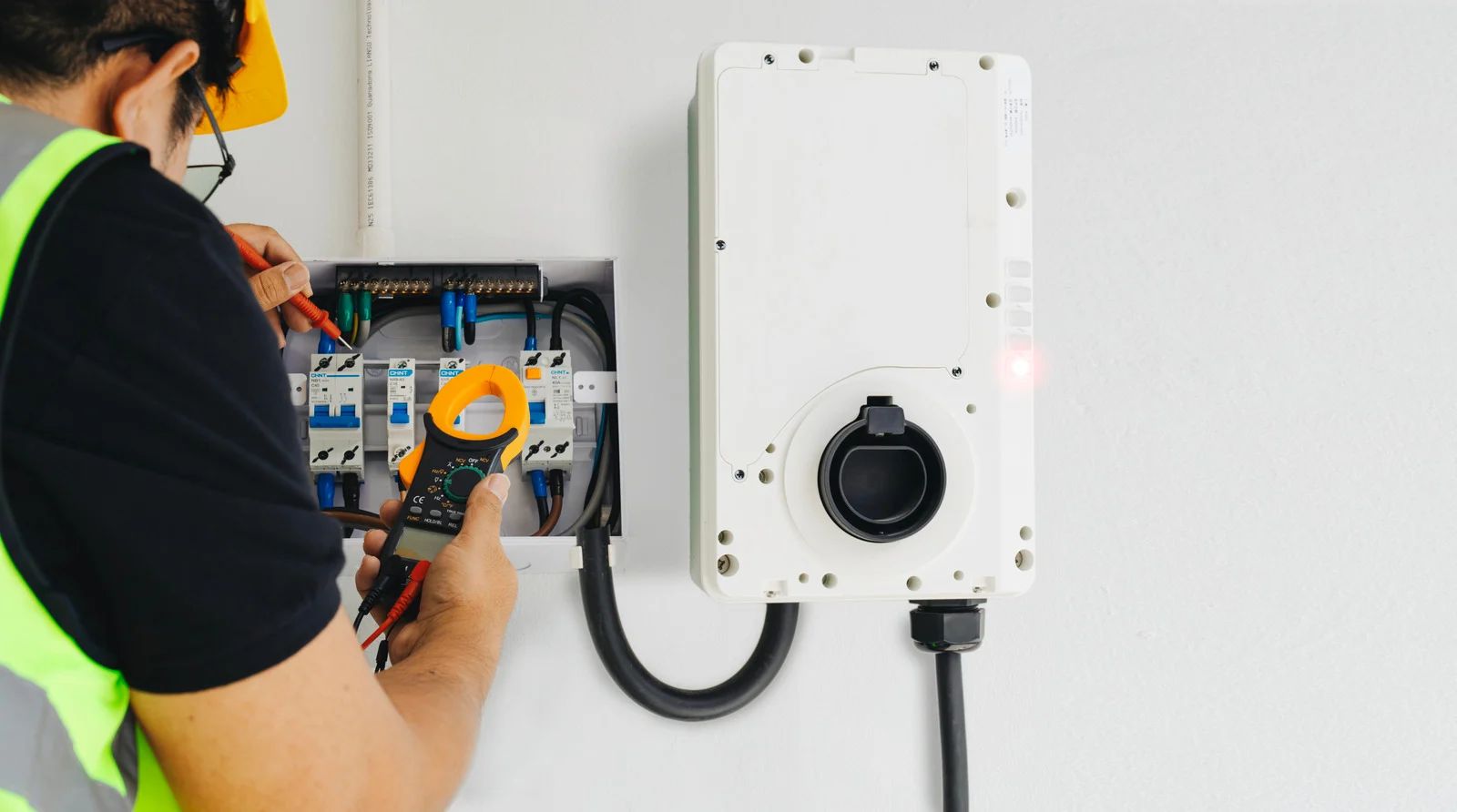
Electrical troubleshooting is more than flipping switches or inspecting visible wires. It involves a systematic approach to identifying, diagnosing, and resolving issues in a network of circuits. Professionals use specialized tools such as multimeters, circuit testers, and thermal imaging devices to detect problems that aren’t visible to the naked eye. Understanding voltage levels, current flow, and circuit continuity is crucial to pinpoint the root cause of failures rather than addressing symptoms superficially.
Common Types of Electrical Problems
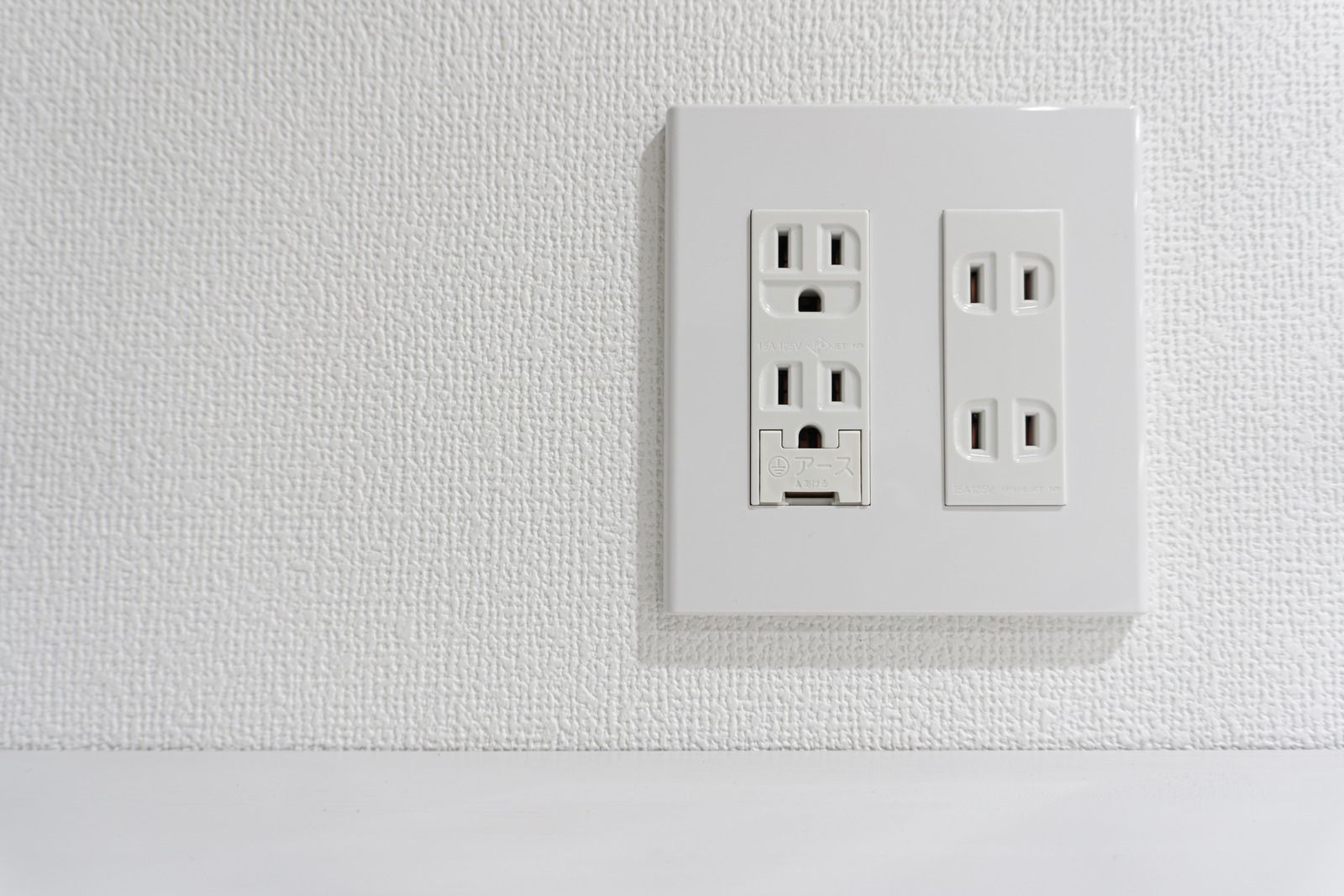
Some of the most frequent issues include tripped circuit breakers, faulty outlets, flickering lights, and intermittent power failures. While these may seem minor, they often signal underlying problems such as overloaded circuits, loose connections, or deteriorating insulation. In more severe cases, issues like arc faults or short circuits can present immediate hazards that require prompt professional attention.
The Complexity Factor
Electrical systems integrate with multiple components, including appliances, HVAC units, lighting systems, and security devices. Each system interacts with the electrical network differently, and a fault in one component can ripple across the entire network. Misdiagnosing the problem may lead to repeated failures, escalating repair costs, or unsafe conditions that put people at risk.
The Risks of DIY Electrical Repairs
- Personal Safety Hazards
Electricity is inherently dangerous. Even low-voltage household circuits can cause severe injury or death if mishandled. Common hazards in DIY repairs include electric shock, arc flash, burns, and accidental fires. Without protective equipment and proper safety protocols, attempting repairs can quickly become life-threatening.
- Property Damage
Incorrect handling of electrical systems can result in damaged appliances, short circuits, or overloaded circuits that may trigger fires. Even a seemingly small mistake, such as using an improper fuse or failing to secure connections, can create costly damage. In many cases, DIY attempts can worsen the original problem, making professional intervention more complicated and expensive.
- Legal and Insurance Implications
In many regions, electrical work performed without proper licensing may violate building codes and void insurance coverage. If an improperly executed DIY repair causes property damage or injury, homeowners may face liability issues. Insurance companies may refuse claims for damage stemming from unlicensed or uncertified repairs, emphasizing the importance of professional handling.
Why Professional Electricians Are Essential
Expertise and Training
Licensed electricians undergo extensive education and on-the-job training, equipping them with knowledge of circuit design, safety protocols, and troubleshooting techniques. This expertise allows them to quickly and accurately identify the source of a problem, even when it is hidden behind walls or embedded in complex systems.
Access to Specialized Tools
Professionals use advanced diagnostic tools that are rarely available to homeowners. Multimeters, clamp meters, insulation testers, and thermal imaging cameras help detect faults invisible to standard visual inspections. These tools not only increase the accuracy of diagnostics but also reduce repair time and enhance safety.
Compliance with Codes and Standards
Licensed electricians ensure that all repairs and installations meet national and local electrical codes. Compliance is essential for safety, insurance coverage, and long-term system reliability. Professionals can also advise on upgrades or modifications that future-proof the system, preventing recurring issues.
Real-World Scenario
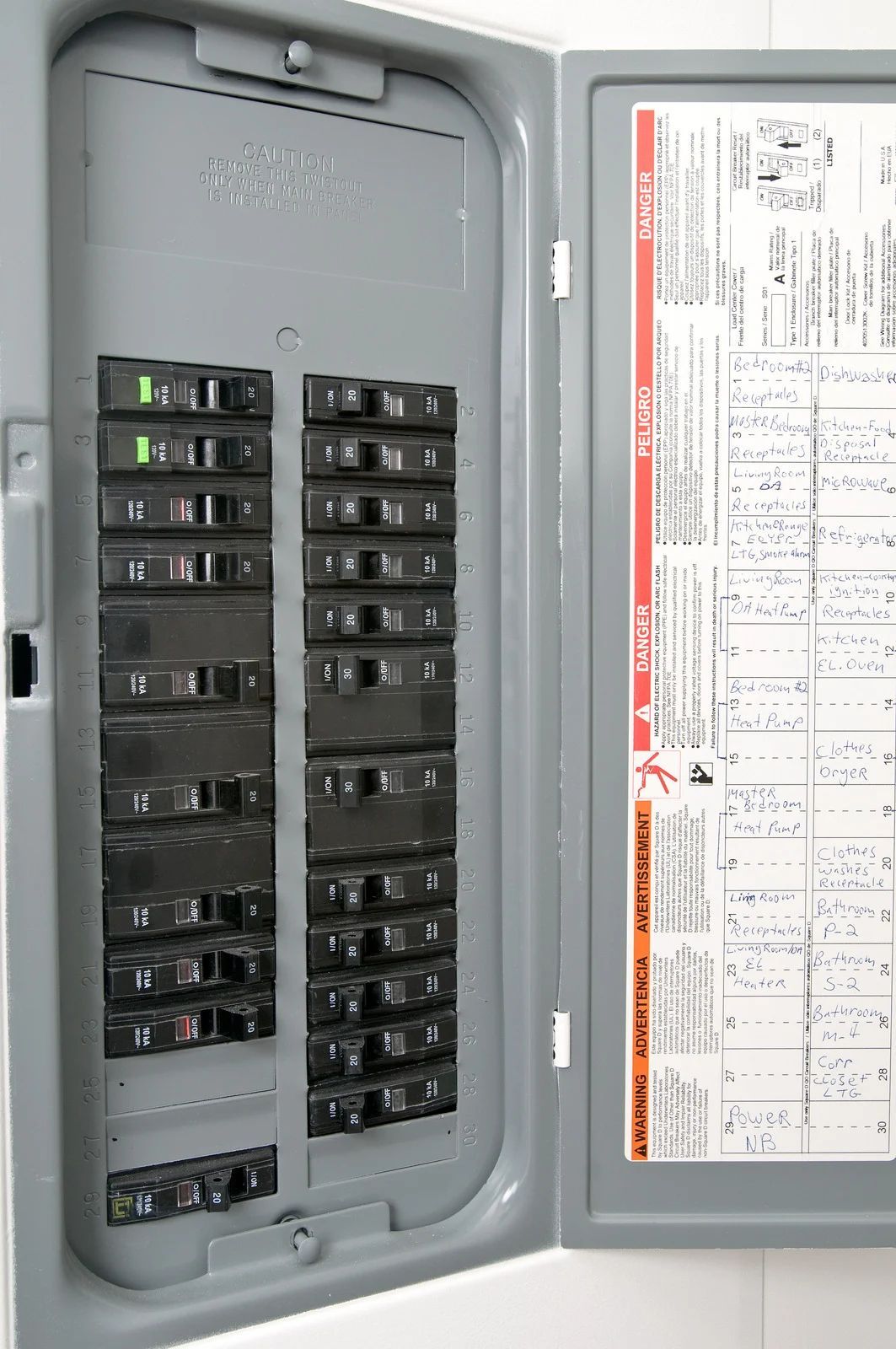
Consider a situation where a homeowner notices flickering lights in multiple rooms. A DIY approach might involve replacing bulbs or fuses, but the underlying cause could be loose connections in the breaker panel. A licensed electrician can quickly diagnose the issue using a circuit analyzer, tighten connections safely, and verify that the system is operating within proper load limits—preventing potential fire hazards and long-term damage.
Common DIY Mistakes and Their Consequences
- Misdiagnosis of Problems
One of the most common DIY errors is misdiagnosing the electrical issue. For example, a tripped breaker might appear as a minor fault, but it could indicate an overloaded circuit or failing appliance. Addressing only the symptom without resolving the root cause often leads to repeated problems.
- Overloading Circuits
Homeowners frequently underestimate circuit load limits, leading to overloaded circuits that trip repeatedly or cause overheating. Over time, this can degrade wiring insulation, increasing the risk of fire. Professionals calculate load capacities accurately to prevent such hazards.
- Improper Wiring Practices
Using incorrect wire gauges, loose connections, or makeshift splicing methods can create serious hazards. Even seemingly minor deviations from code, such as bypassing a ground connection, can compromise safety. Professionals follow standardized procedures, ensuring secure and reliable wiring that meets regulatory standards.
- Case Example
A homeowner attempts to install a new ceiling fan without verifying the existing wiring. By connecting the fan to an incorrectly rated circuit, the wires overheat, melting insulation and potentially starting a fire. An electrician would have assessed load requirements, ensured proper grounding, and performed the installation safely.
Benefits of Professional Intervention
Enhanced Safety
The most immediate benefit is personal and property safety. Professionals follow strict safety protocols, use protective equipment, and understand hazard mitigation strategies thoroughly. This significantly reduces the risk of injury, electrical shock, or fire in homes and businesses.
Long-Term Cost Savings
While DIY repairs may seem cost-effective initially, mistakes can quickly become expensive over time. Professional repairs often prevent recurring issues, minimize damage to expensive appliances, and extend the overall lifespan of electrical systems. Preventive inspections by experienced experts can identify potential problems before they escalate, saving homeowners considerable money in the long term.
Efficiency and Convenience
Licensed electricians can complete repairs quickly, accurately, and efficiently, minimizing downtime for households or businesses. They have access to replacement parts, specialized tools, and technical knowledge that make troubleshooting far faster and safer than trial-and-error DIY attempts.
Assurance and Documentation
Professional services often include warranties and detailed documentation of work performed. This provides peace of mind, ensures compliance with local codes, and can be extremely valuable for insurance purposes. Homeowners are assured that repairs are done correctly the first time, significantly reducing stress and uncertainty.
Best Practices for Homeowners
- Recognize Limitations
Homeowners should clearly know the boundaries of safe DIY work. Tasks like resetting breakers, replacing fuses, or changing light bulbs are generally safe. Anything involving live wiring, breaker panels, or major appliances should always be handled by qualified professionals.
- Preventive Maintenance
Regular inspections by licensed electricians can prevent common electrical issues such as worn wiring, loose connections, or overloaded circuits. Proactive maintenance reduces emergency repairs, prevents potential hazards, and enhances overall system reliability.
- Invest in Safety Equipment
Using surge protectors, GFCI outlets, and properly rated circuit breakers can effectively mitigate common electrical hazards. These preventive measures complement professional maintenance and greatly enhance overall electrical safety.
- Keep a Log of Electrical Issues
Documenting outages, flickers, or unusual electrical sounds can help professionals diagnose recurring problems much more effectively. A clear record of issues provides valuable insight into system performance and potential underlying faults, making repairs faster and safer.
Dependable Electrical Solutions From Experienced Professionals
Electrical troubleshooting is a complex, high-stakes task that demands technical expertise, precise tools, and strict adherence to safety standards. DIY attempts, while appealing for cost-saving reasons, often introduce hazards such as shock, fire, or property damage. Misdiagnosis, improper wiring, and circuit overloading are common pitfalls that can escalate minor issues into major emergencies. By understanding the risks and limitations, homeowners can make informed decisions about when to engage licensed electricians. Professional intervention offers accuracy, compliance, safety, and long-term reliability that DIY efforts rarely achieve.
At Totem Electric Inc, we bring 36 years of experience providing expert electrical solutions across Greeley, Colorado. Our licensed electricians specialize in troubleshooting, repair, and maintenance, ensuring safety, efficiency, and peace of mind. We combine advanced diagnostic tools, industry knowledge, and a commitment to customer satisfaction to resolve electrical issues quickly and reliably. Trust Totem Electric Inc to protect your property, maintain system integrity, and provide professional guidance that keeps your electrical systems running safely and efficiently.