Outlets Warm or Discolored to the Touch? Why That's a Stop-Now Sign
Quick Answer: A warm or discolored outlet is a physical sign that something behind the wall is generating more heat than it should — almost always a loose connection, aging wiring, or a circuit carrying more load than it was built for. Switch plates and outlet covers can run slightly warm during normal use, but they should never feel hot, and any browning, yellowing, or scorching around the slots means heat has already been building there. The right move is to stop using that outlet, unplug what's in it, and have an electrician trace the cause before it turns into arcing or fire. This is not a wait-and-see problem.
You reach for the outlet behind the couch to plug in a lamp, and the plate feels warm under your hand. Not scalding. Just warmer than it has any business being. Maybe there's a faint tan ring around the plug slots, the kind of stain that wasn't there last winter. Most people pause for a second, decide it's probably fine, and plug the lamp in anyway.
It's not fine. An outlet that's warm or discolored is telling you, in the most direct language electricity has, that heat has been collecting somewhere it shouldn't. That heat doesn't come from nowhere, and it doesn't go away on its own. It builds until something gives — usually a melted receptacle, sometimes worse. Let's get into what's actually happening back there and why this particular sign moves you from "keep an eye on it" straight to "handle it now."
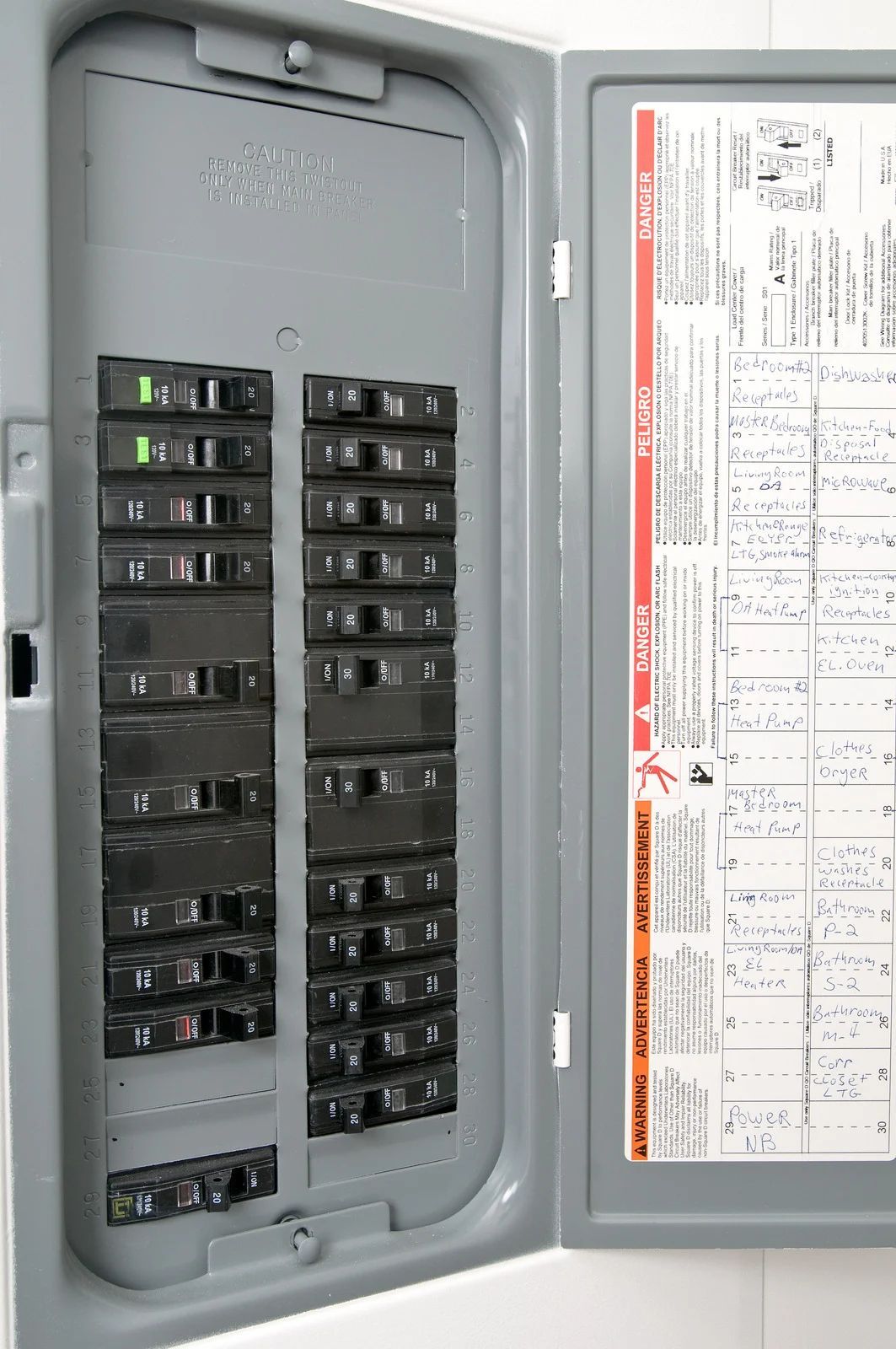
If your home shows any of these signs, adding an EV charger without addressing the panel first is not a viable option.
Signs Your Panel May Be Undersized
| Warning Sign | What It Suggests |
|---|---|
| Breakers trip frequently | Panel is approaching or exceeding capacity |
| Lights dim when appliances run | Voltage drop from overloaded circuits |
| No room for new breakers | Panel cannot support additional circuits |
| Panel is 30+ years old | Components may be outdated or failing |
| Fuse box still in use | Significant upgrade required before EV install |
Warm Is One Thing. Hot Is Another.
A little warmth on an outlet cover isn't automatically a red flag. Outlets powering something that draws real current — a space heater, a window AC unit, a chest freezer — can run mildly warm simply from the current passing through the device. The federal guidance on this is blunt about where the line sits: switch plates, receptacle covers, cords, and plugs may run warm, but they should never get hot to the touch. Warm means the device is working. Hot means something is fighting the current more than it should be, and that fight generates heat in a spot never designed to hold it.
Here's a simple gut check. If you can rest your hand on the plate comfortably, that's warm. If you pull your hand back within a second or two, that's hot, and hot is the signal that separates a normal appliance from a developing problem.
If your home shows any of these signs, adding an EV charger without addressing the panel first is not a viable option.
Signs Your Panel May Be Undersized
| Warning Sign | What It Suggests |
|---|---|
| Breakers trip frequently | Panel is approaching or exceeding capacity |
| Lights dim when appliances run | Voltage drop from overloaded circuits |
| No room for new breakers | Panel cannot support additional circuits |
| Panel is 30+ years old | Components may be outdated or failing |
| Fuse box still in use | Significant upgrade required before EV install |
What's Really Happening Behind That Wall
Electricity flowing through a clean, tight connection meets almost no resistance, and resistance is what turns electrical current into heat. A loose screw terminal, a corroded contact, or a connection that's backed out even slightly creates a narrow, imperfect path for that current to squeeze through. Every time current pushes across that gap, it generates heat right at the point of contact — inside the outlet box, at the wire nut, or at the breaker itself.
That heat has nowhere good to go. It sits against plastic housing, insulation, and wood framing, all of which were never built to handle sustained heat. Do this thousands of times a day, every time a lamp switches on or a refrigerator compressor kicks in, and you get a slow, cumulative cooking effect. The outlet cover warming under your palm is the first physical evidence reaching the outside of the wall.
If your home shows any of these signs, adding an EV charger without addressing the panel first is not a viable option.
Signs Your Panel May Be Undersized
| Warning Sign | What It Suggests |
|---|---|
| Breakers trip frequently | Panel is approaching or exceeding capacity |
| Lights dim when appliances run | Voltage drop from overloaded circuits |
| No room for new breakers | Panel cannot support additional circuits |
| Panel is 30+ years old | Components may be outdated or failing |
| Fuse box still in use | Significant upgrade required before EV install |
The Usual Suspects Behind a Hot or Discolored Outlet
Several distinct problems produce the same warm-and-stained symptom, and figuring out which one you've got is exactly why this isn't a DIY guessing game.
A loose connection at the outlet itself
This is the most common cause by far. Screws back out slightly over years of vibration, temperature swings, and repeated plugging and unplugging. If a plug ever feels loose or slips out of a receptacle with barely any resistance, that same looseness usually exists on the wire side too, and it's generating heat every time the circuit is live.
Aluminum branch wiring
Homes and additions built or wired in certain eras used aluminum instead of copper for cost reasons, and aluminum behaves differently at a connection point. It expands and contracts more than copper does with heat cycling, which lets connections work themselves loose faster. If your Greeley or Loveland property still has its original wiring from that period, this is worth having checked even before you notice a warm outlet.
Worn back-wire, push-in connections
A lot of outlets installed over the past several decades use a quick push-in connection on the back of the device instead of a screw terminal. It's fast to install, but those spring-clip contacts lose their grip more easily than a screw ever would, especially under sustained load. A push-in outlet feeding a space heater or window unit for months at a stretch is a textbook candidate for this kind of failure.
A circuit asked to carry more than it should
Standard 15-amp household circuits are built for roughly 1,500 continuous watts, and 20-amp circuits for around 2,000. Run a space heater, a couple of lamps, and a phone charger off the same outlet strip through a cold snap, and you can walk right past that number without realizing it. The wiring doesn't trip a breaker instantly — it just runs hotter than it was designed to, and the outlet closest to the load usually shows it first.
A receptacle that's simply worn out
Outlets have moving internal parts — the contacts that grip a plug's prongs. Thousands of plug-ins later, those contacts lose their spring tension, the grip loosens, and the same resistance-and-heat cycle starts. An outlet that's felt loose for a while, warm or not, is on borrowed time either way.
If your home shows any of these signs, adding an EV charger without addressing the panel first is not a viable option.
Signs Your Panel May Be Undersized
| Warning Sign | What It Suggests |
|---|---|
| Breakers trip frequently | Panel is approaching or exceeding capacity |
| Lights dim when appliances run | Voltage drop from overloaded circuits |
| No room for new breakers | Panel cannot support additional circuits |
| Panel is 30+ years old | Components may be outdated or failing |
| Fuse box still in use | Significant upgrade required before EV install |
What the Discoloration Is Actually Telling You
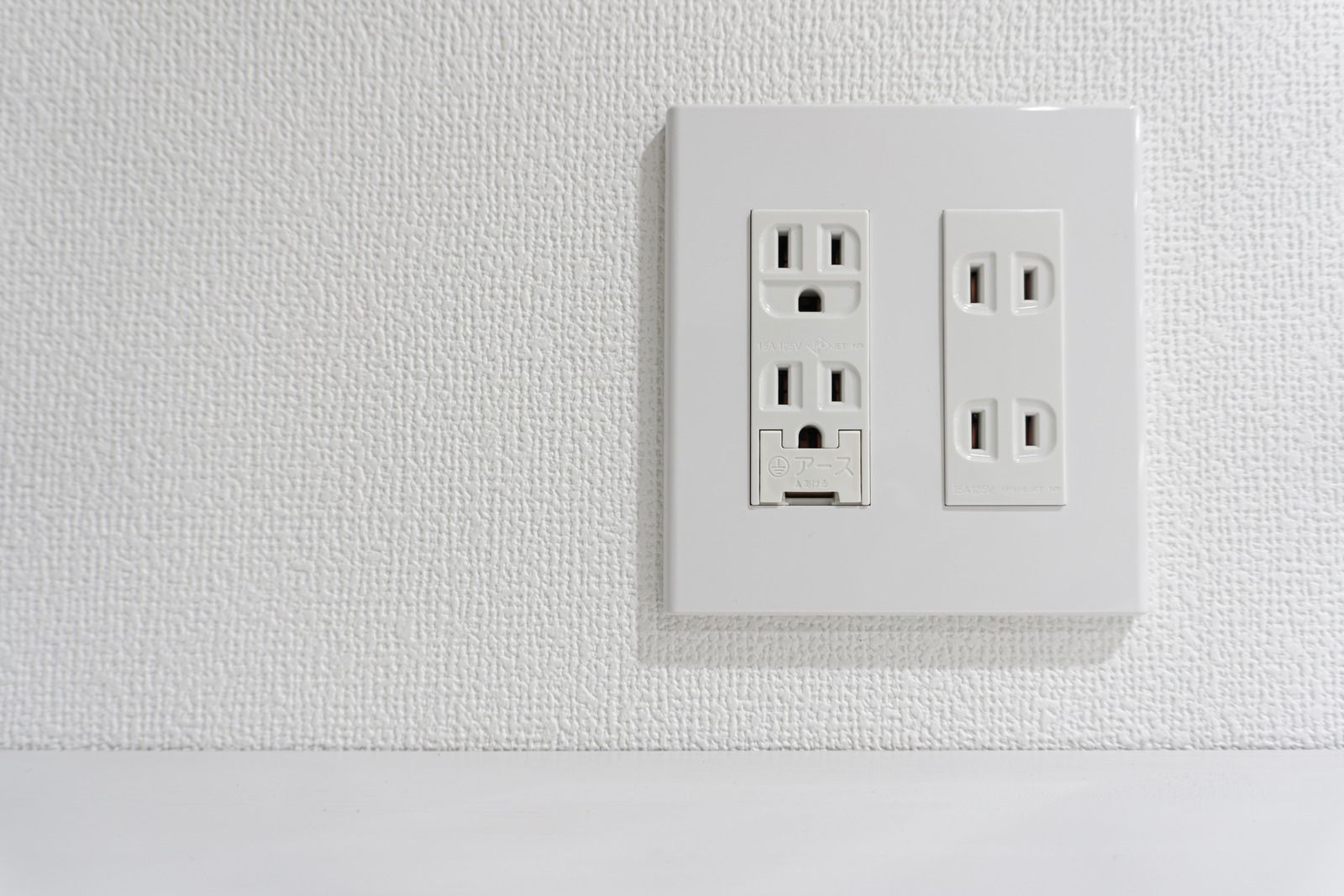
Color changes around an outlet aren't cosmetic. A faint tan or yellow tint around the slots usually means low-level heat has been building for a while, slowly baking the plastic. A darker brown ring, especially one that's spreading, means that heat has been sustained and repeated. Black scorching, a melted or warped slot, or a faceplate that's visibly bowed out of shape means arcing has already happened — a small, hot electrical spark jumping the gap at a failing connection.
That progression matters because it tells you how far along the problem already is. A faint yellow stain is a warning shot. Black scorching means the fault has been active, possibly more than once, and the material around it has already been weakened. Neither one is something to photograph and revisit next season.
Tip:
Before calling anyone, do a five-minute walkthrough of your home with your hand and your eyes. Feel every outlet cover you can reach, especially ones behind furniture or under desks where you rarely look closely. Note anything warm, any staining around the slots, and any outlet where a plug feels loose the moment you insert it. That short list — which outlets, what room, what's plugged in there — cuts real time off the diagnosis when a pro shows up.
If your home shows any of these signs, adding an EV charger without addressing the panel first is not a viable option.
Signs Your Panel May Be Undersized
| Warning Sign | What It Suggests |
|---|---|
| Breakers trip frequently | Panel is approaching or exceeding capacity |
| Lights dim when appliances run | Voltage drop from overloaded circuits |
| No room for new breakers | Panel cannot support additional circuits |
| Panel is 30+ years old | Components may be outdated or failing |
| Fuse box still in use | Significant upgrade required before EV install |
Why This Shows Up More on Northern Colorado Properties
A hard winter cold snap is one of the most common triggers electricians in this area see. When temperatures drop into single digits, portable space heaters come out of closets and get plugged into whatever outlet is closest, often in bedrooms or basements on circuits that were never sized for a 1,500-watt heater running for hours. That's exactly the overload scenario that cooks a connection.
Farms, shops, and outbuildings around Weld County add a second angle. Stock tank heaters, shop tools, and irrigation equipment often run off older wiring that wasn't upgraded when the load on that outbuilding grew, and outdoor and unheated-space connections are more exposed to moisture and temperature swings that loosen contacts faster than they would inside a climate-controlled house. And across Greeley, Fort Collins, and the surrounding older neighborhoods, plenty of homes still carry original wiring and devices from decades back — exactly the aluminum wiring and worn push-in connections described above.
If your home shows any of these signs, adding an EV charger without addressing the panel first is not a viable option.
Signs Your Panel May Be Undersized
| Warning Sign | What It Suggests |
|---|---|
| Breakers trip frequently | Panel is approaching or exceeding capacity |
| Lights dim when appliances run | Voltage drop from overloaded circuits |
| No room for new breakers | Panel cannot support additional circuits |
| Panel is 30+ years old | Components may be outdated or failing |
| Fuse box still in use | Significant upgrade required before EV install |
Why You Shouldn't Wait This One Out
It's tempting to treat a warm outlet the way you'd treat a squeaky door hinge — annoying, not urgent. That instinct is the risk. Heat at a loose connection doesn't plateau. It degrades the connection further, which increases resistance, which generates more heat, in a cycle that speeds up rather than slows down. What starts as a faintly warm plate can become a scorched one within weeks, not years, especially if that outlet stays under steady load.
Warning:
Never keep using an outlet that feels hot, shows scorching, or has ever produced a spark or a burning smell. Don't cover it with electrical tape and keep plugging things in, and don't assume swapping the outlet yourself has fixed anything — the outlet is often just the visible symptom of a fault sitting further back in the wiring or at the breaker. Unplug everything from it, leave the switch or breaker feeding it off if you can identify it, and have the circuit inspected before it's used again.
If your home shows any of these signs, adding an EV charger without addressing the panel first is not a viable option.
Signs Your Panel May Be Undersized
| Warning Sign | What It Suggests |
|---|---|
| Breakers trip frequently | Panel is approaching or exceeding capacity |
| Lights dim when appliances run | Voltage drop from overloaded circuits |
| No room for new breakers | Panel cannot support additional circuits |
| Panel is 30+ years old | Components may be outdated or failing |
| Fuse box still in use | Significant upgrade required before EV install |
How a Pro Actually Traces the Cause
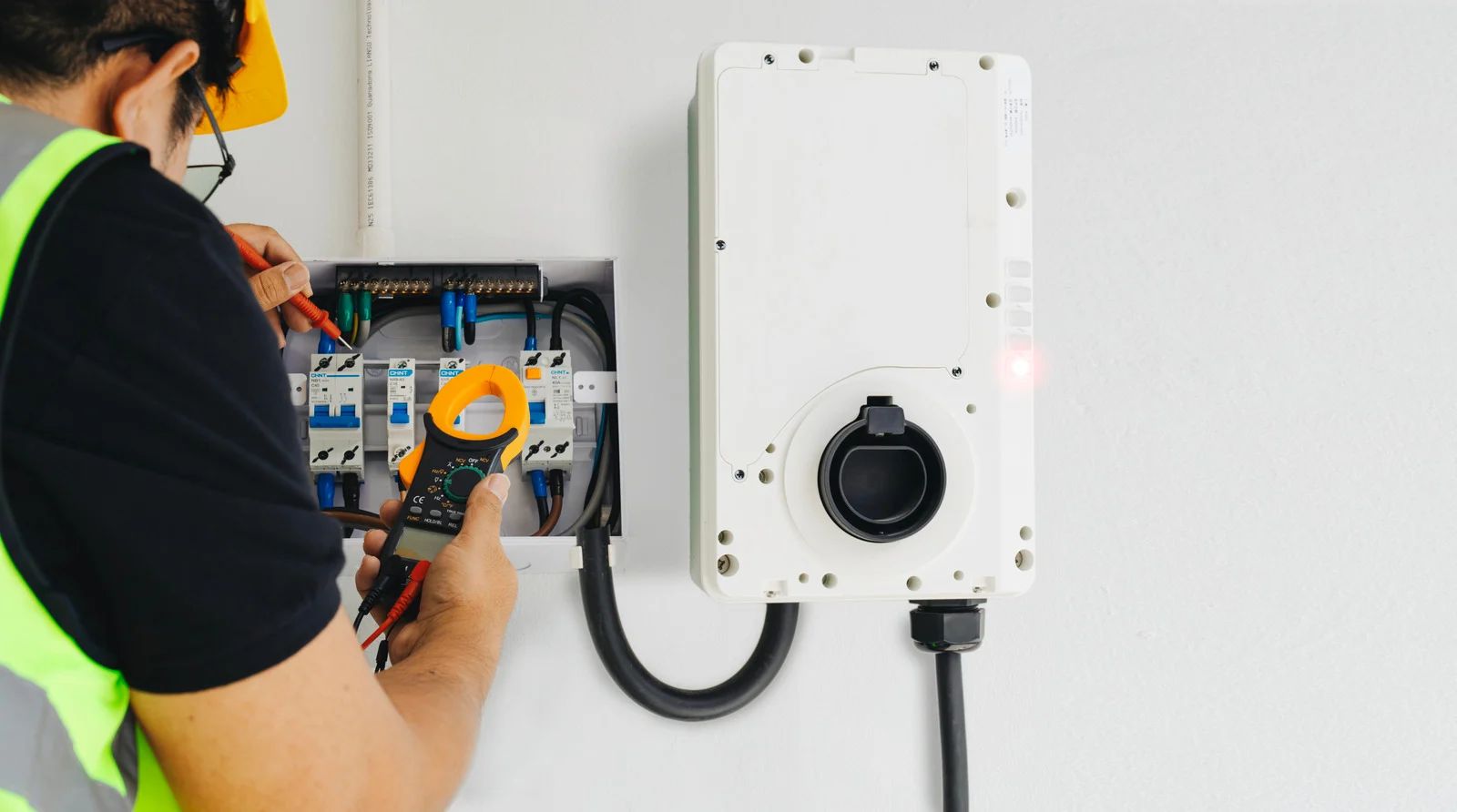
Finding the real fault behind a warm or discolored outlet takes more than swapping the device and hoping. A thorough diagnosis starts with pulling the outlet to inspect the wire connections directly, checking whether screws are tight, whether push-in contacts have lost their grip, and whether the wire itself shows heat damage or corrosion. From there, a pro traces the circuit back toward the panel, checking every connection point along the way, since a loose junction anywhere on that run can produce the same symptom at the outlet you noticed. Thermal imaging is a useful tool here — it can spot a hot connection inside a wall or panel that's invisible to the eye, well before it reaches the point of visible discoloration. Load testing rounds it out, confirming whether the circuit is simply carrying more than it was built for.
What you get at the end isn't a guess. It's a specific answer: a loose terminal that needed retightening and a device replacement, an aluminum connection that needed a proper pigtail repair, or a circuit that needs its load redistributed or a dedicated line added. That answer is the difference between a fix that lasts and one that just resets the clock on the same problem.
If your home shows any of these signs, adding an EV charger without addressing the panel first is not a viable option.
Signs Your Panel May Be Undersized
| Warning Sign | What It Suggests |
|---|---|
| Breakers trip frequently | Panel is approaching or exceeding capacity |
| Lights dim when appliances run | Voltage drop from overloaded circuits |
| No room for new breakers | Panel cannot support additional circuits |
| Panel is 30+ years old | Components may be outdated or failing |
| Fuse box still in use | Significant upgrade required before EV install |
Frequently Asked Questions
Is it normal for an outlet to feel a little warm?
A mild warmth on an outlet powering something with real draw, like a space heater or window AC unit, can be normal. It should never feel hot enough to make you pull your hand back, though, and a cover that's uncomfortably hot to the touch means a connection somewhere is generating more heat than it should.
What does a brown or yellow stain around the outlet slots mean?
It means heat has been building at that outlet for a while, slowly discoloring the plastic. It's usually an earlier-stage sign than black scorching, but it still points to a real fault, most often a loose connection or a worn contact, and it's worth having checked rather than watched.
Can I just replace the outlet myself and be done with it?
You can swap the device, but that doesn't confirm the actual cause. The heat could be coming from the wiring behind the box, a connection further down the circuit, or the breaker itself. A new outlet on a still-faulty circuit can warm up again within weeks.
How is this different from a breaker tripping?
A tripping breaker is the panel reacting to a fault by cutting power. A warm or discolored outlet can happen on a circuit that never trips at all, because the heat is building at a specific connection point rather than triggering the breaker's overload protection. That's part of what makes it easy to miss.
Could old aluminum wiring be the reason?
It's a common one in homes from certain build eras. Aluminum wire behaves differently than copper at a connection point and tends to loosen with heat cycling over the years, which is exactly the setup for a warm, arcing connection. If your home's age lines up, it's worth mentioning to your electrician even if you're not certain.
Should I unplug everything from a warm outlet right away?
Yes. Unplug what's connected, avoid using that outlet, and if you can identify and safely switch off the breaker feeding it, do that too. Then get the circuit looked at before putting it back into regular use.
If your home shows any of these signs, adding an EV charger without addressing the panel first is not a viable option.
Signs Your Panel May Be Undersized
| Warning Sign | What It Suggests |
|---|---|
| Breakers trip frequently | Panel is approaching or exceeding capacity |
| Lights dim when appliances run | Voltage drop from overloaded circuits |
| No room for new breakers | Panel cannot support additional circuits |
| Panel is 30+ years old | Components may be outdated or failing |
| Fuse box still in use | Significant upgrade required before EV install |
Taking Warm Outlet Warning Signs Seriously
A warm or discolored outlet is more than an aging electrical fixture. It is evidence that excess heat may be developing at a loose terminal, worn receptacle, overloaded circuit, or deteriorating connection behind the wall. Recognizing these signs early can help prevent damaged wiring, melted components, arcing, and more serious electrical hazards. Homeowners should pay attention to unusual warmth, staining, loose plugs, burning odors, or visible scorching rather than assuming these changes are harmless with continued everyday use.
With 36
years of experience, Totem Electric Inc
understands the electrical conditions found throughout homes and properties in Greeley, CO. Older wiring, heavily used circuits, seasonal space heaters, and aging connections can all contribute to outlets becoming warmer than expected over time. Identifying the underlying source of that heat helps ensure the entire circuit remains dependable instead of addressing only the visible receptacle. Careful
electrical maintenance ultimately protects wiring, connected equipment, and the surrounding property from preventable heat-related damage over the long term.