Electrical Panel Upgrades and EV Chargers: Preparing Your Home for the Future of Energy
Electric vehicles are no longer a novelty. Across the country, homeowners are trading gas-powered cars for EVs, drawn by lower fuel expenses, environmental benefits, and the convenience of charging at home. But the shift to electric driving does more than change what sits in your garage. It fundamentally changes what your home's electrical system needs to do. Most existing residential panels were designed decades ago, well before high-draw appliances and Level 2 EV chargers became household staples.
The question is not simply whether you can plug in an EV at home. The real question is whether your home's infrastructure is ready to support it safely and reliably. An outdated or undersized electrical panel can create serious risks when asked to carry loads it was never built to handle. Understanding the connection between panel capacity, home energy demand, and EV charging is the first step toward making a smart, lasting upgrade decision. This blog breaks down what you need to know before you make the leap.
Understanding Your Electrical Panel and What It Actually Does
The Role of Your Main Panel
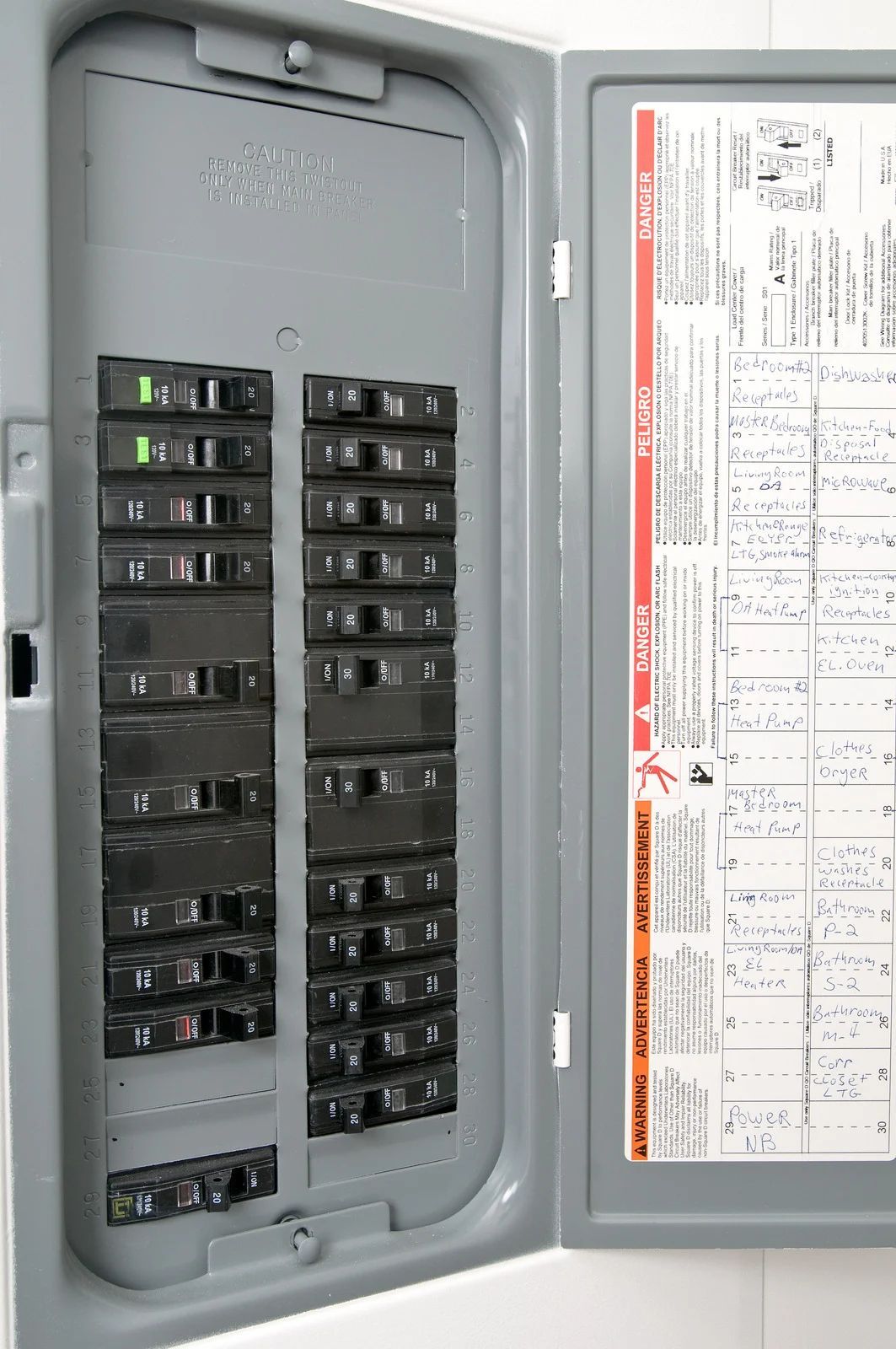
Your main electrical panel is the hub of your home's power distribution. It receives electricity from the utility grid and divides it into individual circuits, each protected by a breaker. Every light, outlet, appliance, and HVAC unit in your home draws power through one of those circuits.
Most homes built before the 1990s were equipped with panels rated at 100 amps. Homes built after that era often have 150-amp or 200-amp service. While a 100-amp panel was sufficient when it was installed, today's energy demands tell a very different story.
Signs Your Panel May Be Undersized
| Warning Sign | What It Suggests |
|---|---|
| Breakers trip frequently | Panel is approaching or exceeding capacity |
| Lights dim when appliances run | Voltage drop from overloaded circuits |
| No room for new breakers | Panel cannot support additional circuits |
| Panel is 30+ years old | Components may be outdated or failing |
| Fuse box still in use | Significant upgrade required before EV install |
If your home shows any of these signs, adding an EV charger without addressing the panel first is not a viable option.
What Level 2 EV Charging Actually Demands From Your Home
Level 1 vs. Level 2 Charging
Level 1 charging uses a standard 120-volt outlet and delivers roughly 3 to 5 miles of range per hour. For most daily drivers, this is far too slow. A typical commuter would need 10 or more hours to meaningfully recharge a depleted battery.
Level 2 charging operates at 240 volts and delivers between 15 and 30 miles of range per hour, depending on the charger and vehicle. A full overnight charge from near-empty to full is realistic. Most homeowners installing a home charging setup choose Level 2 for this reason.
The Electrical Load a Level 2 Charger Creates
A Level 2 charger typically requires a dedicated 240-volt circuit with a 40-amp to 60-amp breaker. At full draw, a 40-amp charger pulls around 9,600 watts, or roughly the same load as three to four central air conditioners running at the same time.
For a home with a 100-amp panel already running an electric range, a dryer, an HVAC system, and standard lighting, adding a 40-amp or 60-amp EV circuit often pushes the panel past its safe operating threshold. This is why an electrical panel upgrade is frequently a prerequisite for EV charger installation.
Panel Upgrades Explained
Moving From 100-Amp to 200-Amp Service
The most common residential panel upgrade involves stepping up from 100-amp service to 200-amp service. A 200-amp panel provides significantly more capacity, room for additional circuits, and the headroom needed to support an EV charger alongside existing loads.
The upgrade process involves:
Replacing the existing panel with a new 200-amp unit, coordinating with the local utility to upgrade the service entrance wiring if needed, obtaining the required electrical permit, and scheduling an inspection with the local authority having jurisdiction.
In some cases, the service entrance conductors and meter base also need to be replaced, particularly in older homes where aluminum wiring or aged insulation is present.
When a 200-Amp Panel Is Not Enough
Large homes with extensive HVAC systems, multiple EV chargers, or plans to add solar and battery storage may need to look beyond 200-amp service. In these situations, 320-amp or 400-amp service is available through a dual-meter setup or a larger utility feed.
This is less common for single-family homes but worth planning for if you anticipate significant energy additions in the coming years. Building in extra capacity now avoids the expense of a second upgrade later.
Load Calculation: The Right Way to Size a Panel
A proper load calculation follows the guidelines in the National Electrical Code (NEC), specifically Article 220. This calculation adds up all continuous and noncontinuous loads in the home, including lighting, appliances, HVAC, and any new additions like an EV charger, to determine the minimum panel size required.
Skipping this step and guessing at capacity is a code violation and a safety risk. A licensed electrician performs this calculation before recommending an upgrade path.
Smart Charging and Energy Management
How Smart Chargers Work With Your Panel
One of the most useful developments in residential EV charging is smart load management. A smart charger communicates with your home's electrical system and adjusts its draw based on what other circuits are using at the same time.
If your dryer and air conditioner are running at peak draw, the smart charger reduces its charging rate to keep total load within the panel's safe capacity. When demand drops, charging resumes at full speed. This approach allows some homeowners to install an EV charger on an existing 100-amp panel, provided the overall load profile permits it, though this should always be verified by a licensed electrician rather than assumed.
Time-of-Use Rates and Off-Peak Charging
Many utility providers offer time-of-use pricing, which charges lower rates for electricity consumed during off-peak hours, typically overnight. A smart EV charger can be programmed to begin charging at midnight and complete the session before peak-rate hours begin in the morning.
Over the course of a year, this kind of scheduling can reduce the running expense of charging an EV at home by a meaningful amount, in some estimates by 30 to 50 percent compared to unmanaged daytime charging.
Permits, Inspections, and Why They Matter
The Permit Process for Panel Upgrades and EV Charger Installs
In most jurisdictions, both a panel upgrade and an EV charger installation require a permit. The permit process exists to ensure the work meets local code requirements and that a licensed inspector reviews the installation before it is put into service.
Skipping permits creates real problems. Unpermitted electrical work can void your homeowner's insurance, complicate a home sale, and leave you liable if a fire or injury occurs. Buyers and their inspectors look for permit histories, and unpermitted upgrades are a red flag during real estate transactions.
What the Inspection Covers
During a panel upgrade or EV charger inspection, the inspector verifies that the panel was installed by a licensed electrician, that wiring is correctly sized for the loads it serves, that grounding and bonding meet code, that the breaker protecting the EV circuit matches the charger's specifications, and that the work matches the approved permit drawings.
Passing inspection is not a formality. It is confirmation that the work was done correctly.
Where Trusted Electrical Knowledge Meets Modern Home Energy Needs
Upgrading your electrical panel and installing an EV charger at home is one of the most practical investments a homeowner can make as transportation and energy technology continue to evolve. A properly sized panel supports not just today's needs but the appliances, systems, and vehicles you may add in the years ahead. Understanding load requirements, the distinction between Level 1 and Level 2 charging, smart energy management, and the permit process gives you the foundation to make informed decisions rather than reactive ones. Getting this work done correctly from the start avoids the risk of overloaded circuits, voided insurance, and costly corrections later. A licensed electrician should always lead this work, starting with a proper load calculation and ending with a passed inspection.
When it comes to electrical panel upgrades and EV charger installations in Greeley, Colorado, Totem Electric Inc
brings 36
years of hands-on experience to every project. We understand the specific requirements of Colorado's electrical codes, the demands of modern home energy systems, and the technical details that separate a safe installation from a hazardous one. Whether you are upgrading from a 100-amp panel, adding a dedicated 240-volt circuit for your new EV, or planning a full home electrical assessment before a major purchase, we approach every job with the same standard of care. Our work is permitted, inspected, and built to last.
Frequently Asked Questions
Can I add an EV charger to my existing 100-amp electrical panel?
It depends on your current load. A licensed electrician will perform a load calculation to determine whether your panel has sufficient capacity. In many cases, a 100-amp panel serving a fully equipped home will need an upgrade before a Level 2 charger can be safely added.
How long does a residential panel upgrade typically take?
A standard 100-amp to 200-amp panel upgrade usually takes one full day for the electrical work, though utility coordination for the service entrance upgrade can extend the timeline by several days depending on the provider's schedule.
What is the difference between a Level 1 and Level 2 EV charger?
Level 1 uses a standard 120-volt outlet and charges slowly, adding roughly 3 to 5 miles of range per hour. Level 2 uses a 240-volt dedicated circuit and delivers 15 to 30 miles of range per hour, making it practical for overnight home charging.
Do I need a permit to install an EV charger at home?
Yes, in most jurisdictions an EV charger installation requires an electrical permit and inspection. Skipping the permit process creates liability issues, can void your homeowner's insurance, and may complicate a future home sale.
Can solar panels reduce the load my EV charger puts on the grid?
Yes. A properly sized solar-plus-storage system can offset or fully cover the energy used for EV charging, particularly when the vehicle charges during daylight hours or from stored battery power in the evening. This integration should be planned alongside, not after, the panel upgrade.