EV Charger Repairs: What to Do When Your Charging Station Isn’t Working?
Electric vehicles continue to reshape the automotive industry as more homeowners and businesses invest in charging infrastructure to support daily transportation needs. Reliable charging stations play a major role in keeping electric vehicles powered, convenient, and ready for use at any time. When an EV charger suddenly stops working, however, it can disrupt routines, delay travel plans, and create frustration for property owners who depend on dependable charging access every day. Problems such as power failures, damaged connectors, tripped breakers, software errors, charging interruptions, or communication issues between the vehicle and charger can all prevent the system from operating properly. Understanding how EV charging systems function and recognizing early warning signs of trouble helps property owners respond quickly before minor issues become more serious.
As EV technology continues evolving, charging equipment has become more advanced, incorporating smart monitoring systems, Wi-Fi connectivity, mobile applications, and integrated safety features. While these innovations improve convenience and charging performance, they also introduce additional components that may require maintenance or professional repairs over time. Proper troubleshooting and repair procedures help protect both the charging equipment and the electrical system supporting it. Knowing what to do when a charging station fails allows homeowners and businesses to reduce downtime, avoid unnecessary replacement costs, and maintain safe charging conditions while supporting the long-term reliability of their electric vehicle investment.
Understanding Common EV Charger Problems
Power Supply and Electrical Interruptions
One of the most common causes of EV charger failure involves interruptions within the electrical supply. Charging stations require a stable electrical connection and sufficient power capacity to operate safely. A tripped circuit breaker, damaged wiring, overloaded electrical panel, or loose electrical connection may stop the charger from turning on or interrupt charging sessions unexpectedly.
In many residential properties, EV chargers are installed alongside existing household electrical systems that already support appliances, HVAC systems, and lighting circuits. If the electrical infrastructure was not properly evaluated during installation, the panel may struggle to handle the additional demand created by EV charging. Overloaded circuits often cause breakers to trip repeatedly, especially during peak electrical usage periods.
Damaged Charging Cables and Connectors
Charging cables and connectors experience regular wear due to daily handling, weather exposure, and repeated plugging and unplugging. Over time, connectors may become bent, cracked, loose, or contaminated with dirt and moisture. Damaged charging cables can prevent proper communication between the charger and vehicle, resulting in charging failures or inconsistent charging performance.
Outdoor charging stations face additional environmental exposure from rain, snow, dust, temperature fluctuations, and UV damage. These conditions can gradually weaken cable insulation and increase the risk of electrical hazards. Users may notice visible fraying, overheating around the connector, or intermittent charging sessions that stop unexpectedly.
Software and Connectivity Malfunctions
Modern EV chargers frequently include smart technology features such as mobile app integration, remote monitoring, scheduled charging controls, and wireless connectivity. While these systems improve user convenience, software glitches and communication failures may occasionally interfere with charging operations.
A charging station may fail to connect to Wi-Fi, stop responding to app commands, freeze during startup, or display error codes related to firmware updates. Some systems may also experience compatibility issues between newer vehicle software and older charger firmware versions.
Connectivity issues can sometimes be resolved through simple troubleshooting steps such as restarting the charger, resetting the internet connection, or updating software settings. However, persistent software failures may require professional diagnostics to prevent recurring interruptions and ensure the system remains secure and operational.
Signs Your EV Charger Needs Professional Repair
- Frequent Charging Interruptions
Occasional charging interruptions may result from temporary electrical fluctuations or user error, but repeated failures often indicate a larger underlying issue. If the charger frequently disconnects during use, shuts off unexpectedly, or struggles to maintain a stable charging session, professional inspection is recommended.
Inconsistent charging behavior can stem from overheating components, faulty communication modules, deteriorating wiring, or internal hardware failures. Ignoring these warning signs may lead to further damage within the charging system or increase the risk of electrical hazards.
Property owners should monitor whether interruptions occur with one specific vehicle or across multiple vehicles connected to the same charger. This information helps electricians narrow down whether the issue originates from the charger, the electrical supply, or the vehicle itself.
- Unusual Sounds, Heat, or Burning Odors
EV charging systems should operate quietly and without excessive heat buildup. Buzzing noises, crackling sounds, overheating connectors, or burning odors often signal serious electrical concerns requiring immediate attention.
Overheating may result from loose wiring connections, excessive electrical resistance, damaged internal components, or insufficient circuit capacity. If ignored, these issues can increase the likelihood of electrical fires or permanent equipment damage.
Charging stations should never feel excessively hot during normal operation. If users notice melted plastic around connectors, scorch marks, or unusual smells, charging should stop immediately until a licensed electrician performs a full inspection and repair assessment.
- Visible Damage and Environmental Wear
Physical damage often provides clear evidence that a charging station requires professional repairs. Cracked housings, exposed wiring, corrosion, water intrusion, or damaged mounting systems can all compromise safety and charging reliability.
Outdoor chargers installed in harsh climates may experience accelerated wear due to moisture exposure and temperature changes. Even minor cracks or seal failures can allow water to enter sensitive electrical components, leading to internal corrosion and short circuits.
Routine visual inspections help property owners identify early signs of damage before operational failures occur. Professional maintenance services can address minor issues before they develop into expensive replacements.
Troubleshooting Steps Before Calling an Electrician
Checking Breakers and Power Sources
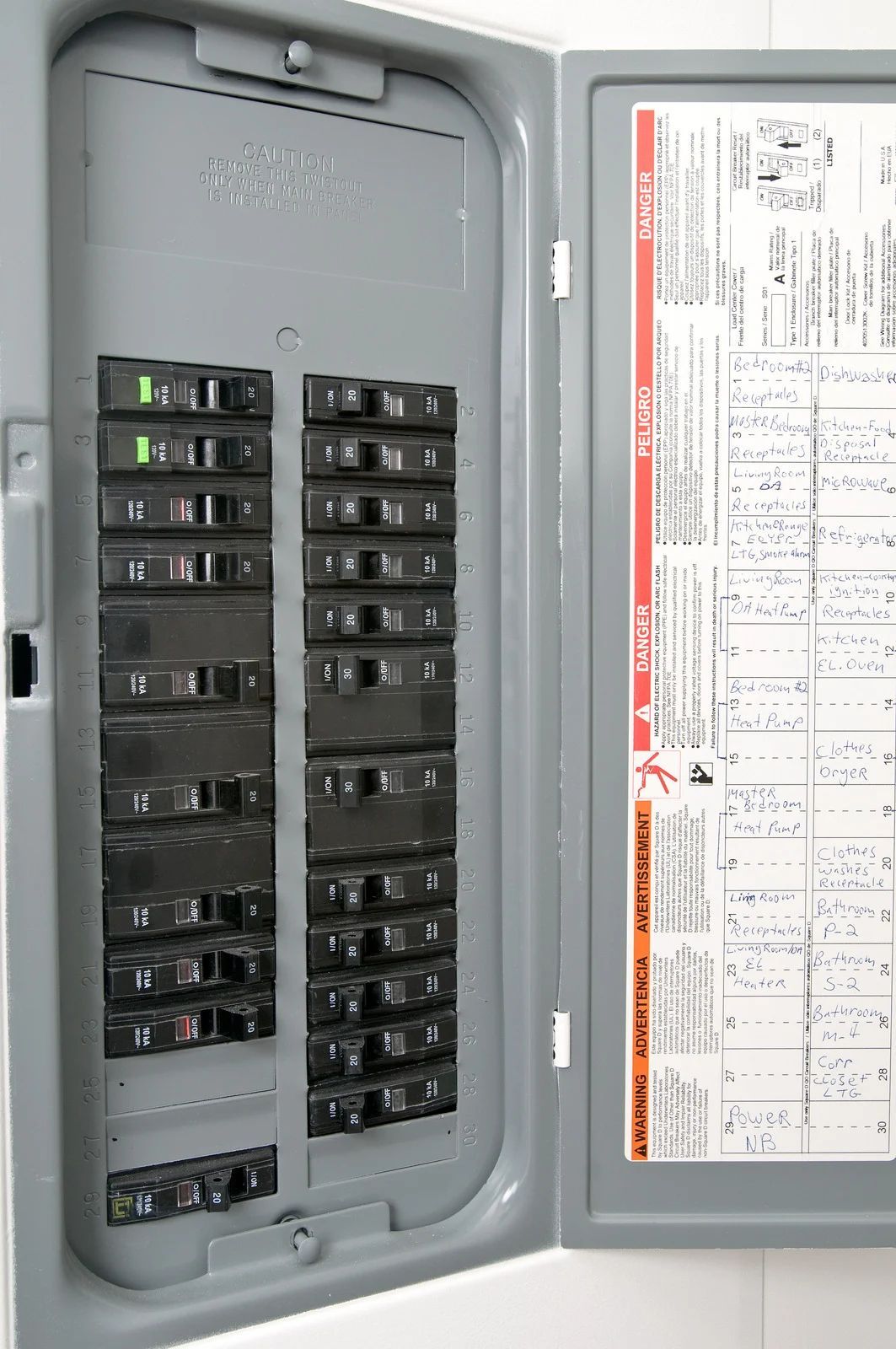
Before assuming the charger itself has failed, users should first inspect the electrical panel for tripped breakers or blown fuses. Resetting a breaker may restore power temporarily if the interruption resulted from a one-time overload event.
It is also important to verify that the charging station receives power properly. Some chargers include indicator lights or status displays that help identify whether the unit is powered on but unable to communicate with the vehicle.
If the breaker trips repeatedly after resetting, users should avoid repeated attempts to restart the system. Persistent breaker trips often indicate electrical faults that require professional evaluation to prevent safety risks.
Inspecting the Charging Connector
Users should examine the charging connector for visible dirt, debris, moisture, or bent pins that may interfere with proper connection. Cleaning the connector carefully with a dry cloth can sometimes restore charging performance if contamination is present.
The charging cable should also be checked for cuts, fraying, or visible wear. If damage appears anywhere along the cable, charging should stop until repairs or replacements are completed.
Drivers should also confirm that the connector locks securely into the vehicle charging port. Loose or unstable connections may interrupt communication between the charger and vehicle during charging sessions.
Restarting Smart Charging Systems
For smart charging stations, restarting the system may resolve temporary software glitches. Many manufacturers recommend powering the charger off completely for several minutes before restarting the unit.
Users should also check for firmware updates through the charger’s mobile application or management platform. Outdated software occasionally causes compatibility issues with newer EV models or network systems.
Why Professional EV Charger Repairs Matter
- Electrical Safety and Code Compliance
EV chargers operate using high-voltage electrical systems that require specialized knowledge to repair safely. Attempting DIY electrical repairs without proper training can expose property owners to shock hazards, fire risks, and equipment damage.
Licensed electricians understand national and local electrical code requirements governing EV charger installations and repairs. Professional repairs help ensure the charging station remains compliant with safety standards while protecting the surrounding electrical infrastructure.
Improper repairs may also void manufacturer warranties or create liability concerns for commercial property owners. Professional service helps maintain documentation, inspection records, and safe operating conditions.
- Accurate Diagnostics and Long-Term Solutions
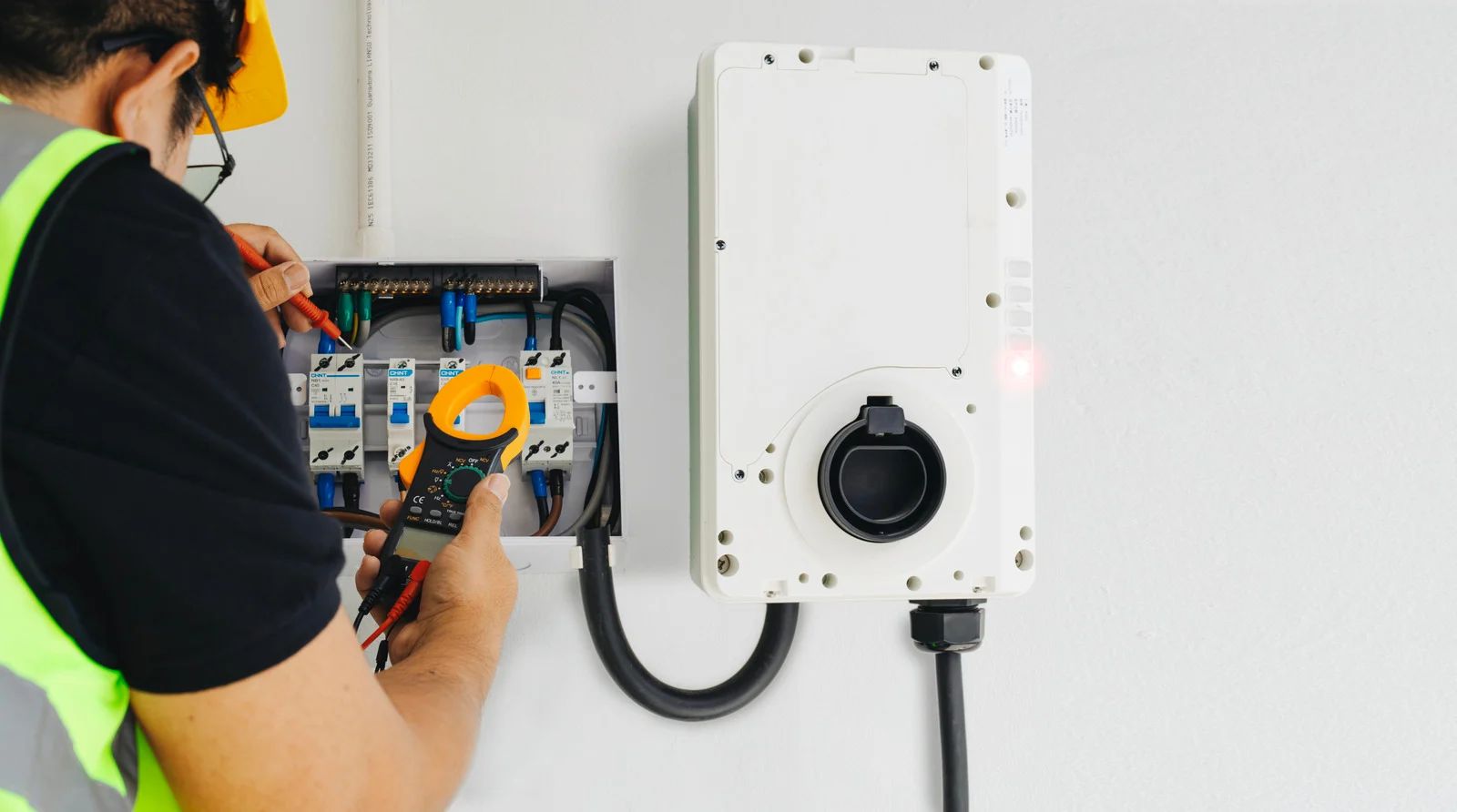
Many EV charger issues involve multiple interconnected systems including power supply components, software platforms, communication modules, and charging hardware. Professional technicians use diagnostic tools to identify the exact source of the problem rather than relying on temporary fixes.
Accurate diagnostics reduce unnecessary part replacements and help resolve underlying issues permanently. For example, repeated charging failures may appear related to the charger itself when the true cause involves unstable voltage supply from the electrical panel.
- Protecting Vehicle Charging Performance
Faulty charging equipment can negatively affect vehicle battery performance if charging sessions become unstable or inconsistent. Voltage fluctuations, interrupted charging cycles, and improper grounding may place unnecessary strain on battery systems over time.
Professional repairs help maintain proper charging speed, communication stability, and electrical protection for both the vehicle and charging equipment. Reliable charging performance supports battery longevity while improving overall EV ownership convenience.
Dependable Charging Station Repairs Backed by Electrical Experience
When EV charging stations stop working, property owners need reliable electrical expertise to restore safe and dependable charging access quickly. Totem Electric Inc provides professional electrical services backed by 36 years of industry experience, serving residential and commercial clients throughout Greeley, Colorado. Our approach focuses on identifying the root cause of charging station failures while protecting the safety and long-term performance of the entire electrical system.
We understand that EV chargers have become an essential part of daily transportation, which is why we prioritize accurate diagnostics, code-compliant repairs, and dependable service for every project. From troubleshooting power supply issues and damaged charging components to resolving software malfunctions and electrical overload concerns, we deliver repair solutions designed to restore reliable charging performance without unnecessary delays. Our experience with modern electrical systems allows us to handle both standard and smart
EV charging technology with confidence.