Breaker Keeps Tripping Even After You Reset It? What's Really Going On
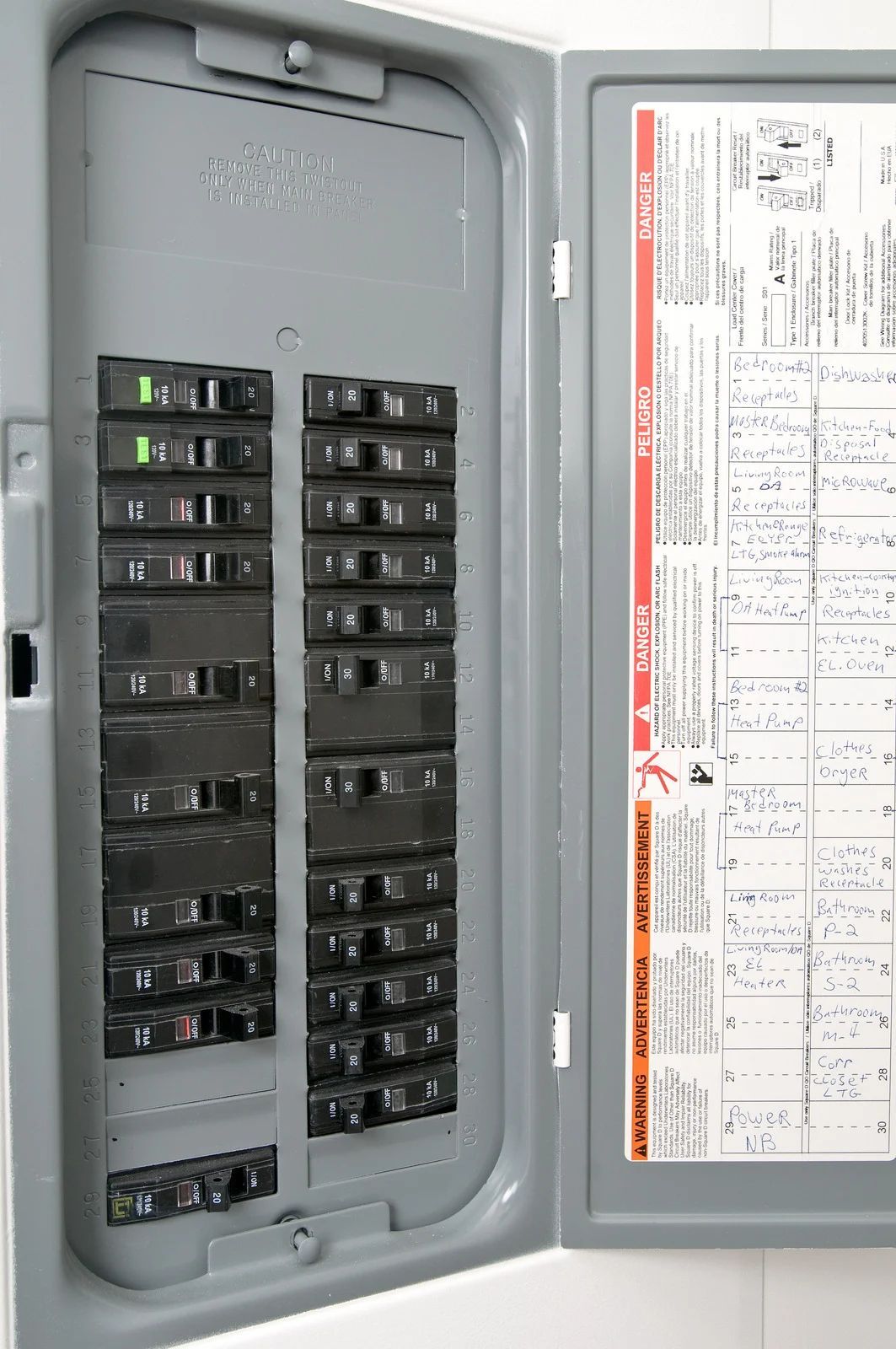
Quick Answer: When a breaker trips again right after you reset it, the breaker is doing its job flagging a real fault on the circuit, not misbehaving. The usual causes are an overloaded circuit, a short circuit, a ground fault, or a worn or failing breaker. Timing is the first clue: a fault that trips almost instantly points to a short or ground fault, while a trip that takes seconds to minutes under load points to an overload. Because a few of these are genuine fire and shock hazards, the fix is to find the cause, not to keep flipping the switch back on.
You flip the breaker back on, walk away, and before you have even reached the next room it snaps off again. Maybe it holds for a minute, maybe it trips the instant you reset it, but either way you are standing at the panel in a dark corner of the house wondering whether to keep trying or leave it alone. It is a frustrating spot, and on a cold Front Range evening when you need the heat, lights, and outlets working, it is more than an inconvenience.
Here is the thing worth understanding before you reset it one more time. A breaker that keeps tripping is not broken in the way it feels like it is. It is a safety device that has detected a problem on the circuit and is refusing to let power flow until that problem is dealt with. The trip is the symptom telling you something is wrong behind the wall, in a device, or in the panel itself. Resetting it over and over does not clear the underlying fault, and depending on what that fault is, repeating the reset can quietly make a hazard worse. Let us walk through what a repeated trip is actually telling you and why the answer is diagnosis rather than persistence.
If your home shows any of these signs, adding an EV charger without addressing the panel first is not a viable option.
Signs Your Panel May Be Undersized
| Warning Sign | What It Suggests |
|---|---|
| Breakers trip frequently | Panel is approaching or exceeding capacity |
| Lights dim when appliances run | Voltage drop from overloaded circuits |
| No room for new breakers | Panel cannot support additional circuits |
| Panel is 30+ years old | Components may be outdated or failing |
| Fuse box still in use | Significant upgrade required before EV install |
What a Breaker Is Actually Doing When It Trips
The breaker's only job
A circuit breaker exists to cut power the moment the current on a circuit climbs past what the wiring behind your walls can safely carry. That protection matters because overloaded or faulted wiring overheats, and overheated wiring is one of the leading paths to a house fire. So when your breaker trips on you, it is working exactly as designed.
Why a repeated trip is different from a one-off
Every home has the occasional trip. You run the microwave, a space heater, and a hair dryer on one circuit, the load exceeds the breaker's rating, and it trips once. You unplug something, reset it, and it holds again. That is normal. A breaker that trips again the moment you reset it, with nothing changed, is telling a different story.
If your home shows any of these signs, adding an EV charger without addressing the panel first is not a viable option.
Signs Your Panel May Be Undersized
| Warning Sign | What It Suggests |
|---|---|
| Breakers trip frequently | Panel is approaching or exceeding capacity |
| Lights dim when appliances run | Voltage drop from overloaded circuits |
| No room for new breakers | Panel cannot support additional circuits |
| Panel is 30+ years old | Components may be outdated or failing |
| Fuse box still in use | Significant upgrade required before EV install |
Read the Timing First
Instant trips versus slow trips
The single most useful clue you can gather before anyone opens the panel is how fast the breaker trips after you reset it. A breaker that trips almost instantly, in under a second or two, is usually reacting to a short circuit or a ground fault. One that holds for a few minutes points toward an overload.
Why that clue saves time
Noting the timing does not tell you the exact fault, but it narrows the search enormously. A pro who hears "it trips the instant I flip it" is thinking short or ground fault and hunts for a damaged wire or moisture. A pro who hears "it runs fine until two things are on" is thinking overload instead.
If your home shows any of these signs, adding an EV charger without addressing the panel first is not a viable option.
Signs Your Panel May Be Undersized
| Warning Sign | What It Suggests |
|---|---|
| Breakers trip frequently | Panel is approaching or exceeding capacity |
| Lights dim when appliances run | Voltage drop from overloaded circuits |
| No room for new breakers | Panel cannot support additional circuits |
| Panel is 30+ years old | Components may be outdated or failing |
| Fuse box still in use | Significant upgrade required before EV install |
The Faults Behind a Breaker That Won't Stay Reset
Several different problems produce the same symptom, which is why a repeated trip is not something you can reliably solve by swapping one part. A proper diagnosis sorts out which of these you actually have.
An overloaded circuit
An overloaded circuit happens when too many devices draw power from the same circuit, exceeding the breaker’s rated capacity. The breaker trips to prevent overheating. Warning signs include frequent trips, warm outlets, discoloration, or burning smells. The solution is usually balancing electrical loads, unplugging excess devices, or installing a dedicated circuit for higher-demand equipment.
A short circuit
A short circuit occurs when a hot wire touches a neutral wire, creating a sudden surge of current that instantly trips the breaker. This condition can produce sparks, arcing, and serious fire risks. Damaged insulation, loose connections, faulty appliances, or rodent damage can cause shorts. An immediate trip should always be investigated rather than repeatedly reset.
A ground fault
A ground fault happens when electricity escapes its intended path and contacts a grounded surface, such as a metal box or grounding wire. This creates shock hazards, especially in damp locations. Garages, basements, barns, and outdoor circuits are common trouble areas. Moisture, damaged wiring, or failing equipment can trigger ground faults requiring professional inspection.
A worn or failing breaker
Breakers can weaken over time due to years of electrical loads, heat exposure, and repeated trips. A failing breaker may trip below its normal rating or respond inconsistently. Signs include warmth, discoloration, or increasing sensitivity. Although the breaker itself may be the issue, proper testing is needed to confirm the failure before replacement.
A specialized breaker catching what it is built to catch
AFCI and GFCI breakers detect electrical problems that standard breakers may miss, including arcs and leakage. While nuisance trips can occur, repeated tripping may indicate genuine safety concerns. These breakers protect against hidden faults caused by appliances, wiring issues, moisture, or developing electrical problems that require proper diagnosis.
Tip:
Before you call anyone, do a little detective work you can safely hand over. Note whether the breaker trips instantly or after a delay, whether it trips with nothing plugged in on that circuit, and which lights or outlets go dead when it does. Then try unplugging everything on the circuit and resetting once. If it holds, you likely have an overload or a specific faulty device to track down. If it trips with the circuit empty, that points toward a wiring fault. Those three observations often cut diagnosis time in half.
If your home shows any of these signs, adding an EV charger without addressing the panel first is not a viable option.
Signs Your Panel May Be Undersized
| Warning Sign | What It Suggests |
|---|---|
| Breakers trip frequently | Panel is approaching or exceeding capacity |
| Lights dim when appliances run | Voltage drop from overloaded circuits |
| No room for new breakers | Panel cannot support additional circuits |
| Panel is 30+ years old | Components may be outdated or failing |
| Fuse box still in use | Significant upgrade required before EV install |
Why You Shouldn't Just Keep Resetting It
The reset habit is the real risk
Repeatedly resetting a breaker that trips again can turn a warning into a hazard. Each reset sends electricity back through a circuit with a possible fault. If the cause is arcing, a short, or a ground fault, continued resets can overheat wiring, damage insulation, and increase the chance of electrical fire.
The device is not the enemy
A breaker that will not stay reset is protecting your home, not causing the problem. The safest response is leaving it off, recording what happened, and having the circuit inspected. A breaker’s job is to interrupt dangerous conditions before they damage wiring, equipment, or create a potential fire risk.
Warning:
Never replace a repeatedly tripping breaker with a higher-amperage one to stop the tripping, and never wedge or tape a breaker in the on position. The breaker is sized to match the wire behind your walls. Installing a larger breaker lets more current flow than that wire can safely carry, which removes the protection entirely and turns a nuisance trip into a genuine fire hazard. If a breaker keeps tripping, the answer is always to find and correct the fault, never to defeat the safety device.
If your home shows any of these signs, adding an EV charger without addressing the panel first is not a viable option.
Signs Your Panel May Be Undersized
| Warning Sign | What It Suggests |
|---|---|
| Breakers trip frequently | Panel is approaching or exceeding capacity |
| Lights dim when appliances run | Voltage drop from overloaded circuits |
| No room for new breakers | Panel cannot support additional circuits |
| Panel is 30+ years old | Components may be outdated or failing |
| Fuse box still in use | Significant upgrade required before EV install |
How the Problem Actually Gets Diagnosed
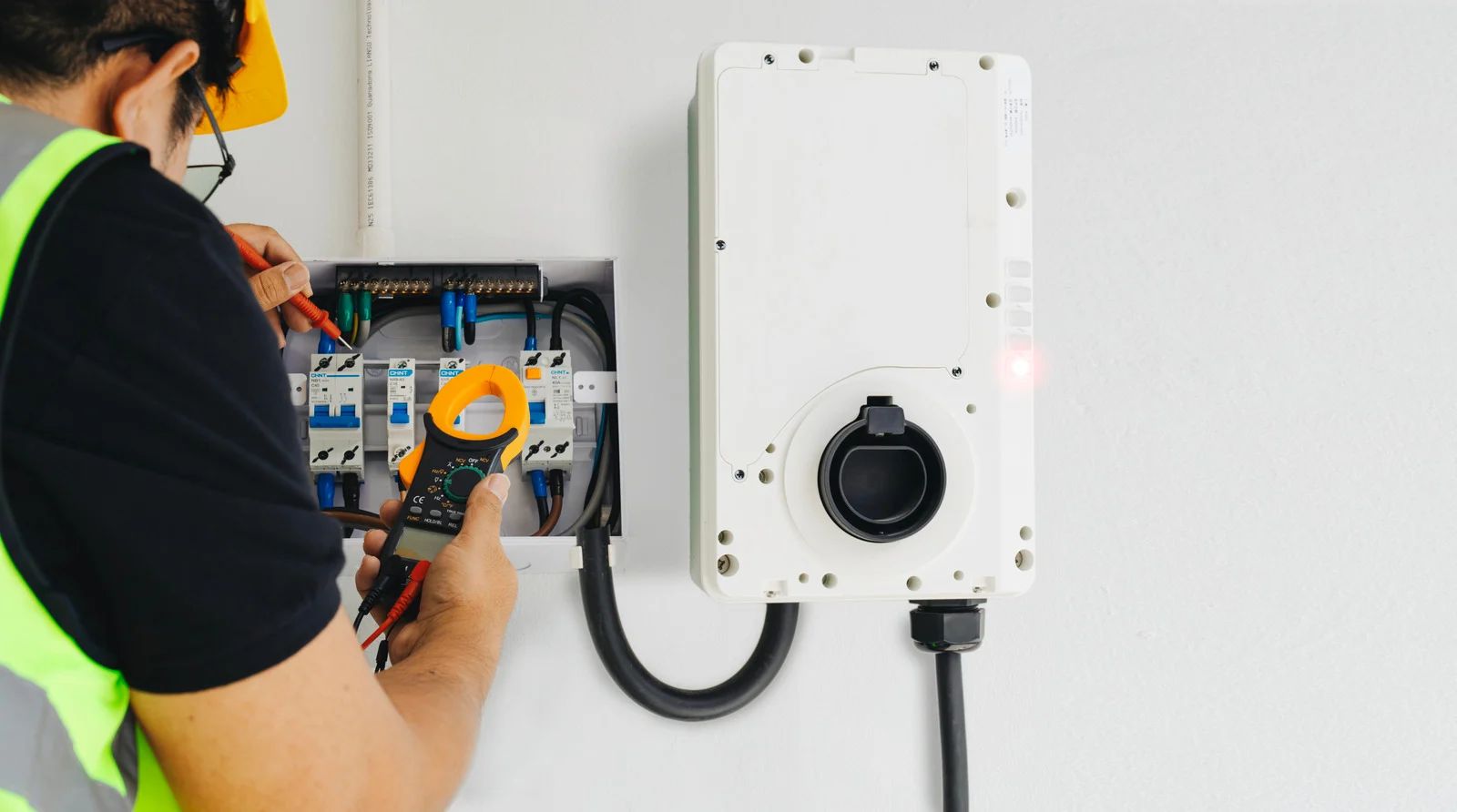
Because so many different faults share this one symptom, sorting it out takes measurement, not guesswork. A pro approaches a repeatedly tripping breaker methodically. They start by isolating the circuit and testing whether it trips with everything unplugged, which separates an overload from a wiring fault. They measure the actual current the circuit draws to see whether it is genuinely overloaded or reacting to something else. They inspect the connections at the breaker and along the circuit for heat, discoloration, and looseness, since a loose connection can arc and trip without any single obvious cause. They test the breaker itself to confirm whether it has weakened, and they trace the wiring for shorts and ground faults, paying particular attention to the damp and outdoor locations where Northern Colorado homes and rural properties are most vulnerable.
What you end up with is the actual reason your breaker will not stay reset, whether it is a circuit that was never sized for the load riding on it, a damaged section of wire, a moisture intrusion in an outdoor or barn circuit, a loose connection, or a breaker that has simply worn out. That answer is worth far more than a winter of walking to the panel and hoping this reset is the one that holds.
If your home shows any of these signs, adding an EV charger without addressing the panel first is not a viable option.
Signs Your Panel May Be Undersized
| Warning Sign | What It Suggests |
|---|---|
| Breakers trip frequently | Panel is approaching or exceeding capacity |
| Lights dim when appliances run | Voltage drop from overloaded circuits |
| No room for new breakers | Panel cannot support additional circuits |
| Panel is 30+ years old | Components may be outdated or failing |
| Fuse box still in use | Significant upgrade required before EV install |
Frequently Asked Questions
Is it safe to keep resetting a breaker that keeps tripping?
No. A breaker that repeatedly trips is warning of a circuit problem. Resetting it again and again can worsen overheating, arcing, or wiring damage. Leave it off and have the issue professionally diagnosed for safety.
What does it mean when a breaker trips instantly versus after a few minutes?
An instant trip often indicates a short circuit or ground fault. A delayed trip usually suggests an overloaded circuit. The timing provides important clues, helping electricians determine whether the issue involves wiring, appliances, or excessive electrical demand.
Could the breaker itself be the problem?
Yes, breakers can wear out from age, heat, and repeated operation. A failing breaker may trip unexpectedly or handle less load than designed. Testing is necessary to confirm whether the breaker or another circuit issue is responsible.
Why does my breaker only trip when the weather is damp or cold?
Moisture can trigger ground faults, especially in garages, basements, and outdoor circuits. Cold conditions may also increase equipment startup demands. Electrical inspection helps identify whether weather, wiring, or connected appliances are causing repeated breaker trips.
Should I just install a bigger breaker to stop the tripping?
Never install a larger breaker without proper evaluation. Breakers protect wiring from excessive current, and oversizing can allow dangerous overheating. The correct solution is finding the cause, whether it is an overload, damaged wire, or faulty component.
Is a tripping AFCI or GFCI breaker just a false alarm?
Not always. AFCI and GFCI breakers detect problems standard breakers may miss, including arcs and ground faults. Repeated trips may indicate appliance issues, moisture, or wiring concerns that require professional troubleshooting instead of ignoring the warning.
If your home shows any of these signs, adding an EV charger without addressing the panel first is not a viable option.
Signs Your Panel May Be Undersized
| Warning Sign | What It Suggests |
|---|---|
| Breakers trip frequently | Panel is approaching or exceeding capacity |
| Lights dim when appliances run | Voltage drop from overloaded circuits |
| No room for new breakers | Panel cannot support additional circuits |
| Panel is 30+ years old | Components may be outdated or failing |
| Fuse box still in use | Significant upgrade required before EV install |
Getting the Power Back the Right Way
A breaker that keeps tripping even after you reset it is not a stubborn switch to fight. It is a warning that something on that circuit is drawing too much current or has created a path for electricity to go where it should not. The trip is the safety system doing precisely what it was built to do. The right response is to stop resetting it, gather the few clues you can safely observe, leave the breaker off, and have the circuit checked so the real fault gets corrected. Whether it turns out to be an overloaded circuit, a short, a ground fault, or a tired breaker, finding the cause is what actually ends the problem, and it is what keeps a small electrical fault from becoming something far more serious in your home.
Schedule
electrical troubleshooting in Greeley, Colorado — A breaker that keeps tripping after you reset it is flagging a real fault on the circuit, and every extra reset through a Northern Colorado winter risks overheated wiring behind your walls. With 36 years of experience, Totem Electric Inc serves homeowners in Greeley, Colorado, by isolating circuits, measuring actual loads, testing
breakers, and tracing wiring for shorts, ground faults, and loose connections to pinpoint exactly why the breaker will not stay reset. Reach out today to book a troubleshooting visit and restore dependable power without gambling on one more reset.