Future-Proofing Your Property with EV Charger Installations
The transition to electric vehicles (EVs) is no longer a distant possibility—it is rapidly becoming a defining feature of modern transportation. With governments implementing stricter emissions regulations and automakers committing to electrification, the presence of EVs on roads is set to rise exponentially. For property owners, this trend presents both a challenge and an opportunity: ensuring that homes, workplaces, and commercial spaces are equipped to accommodate this growing demand. EV charger installations have emerged as a critical component in future-proofing properties, offering convenience, sustainability, and long-term value.
Investing in EV infrastructure goes beyond catering to immediate needs; it positions properties to remain competitive and attractive in a market that increasingly values energy efficiency and environmentally conscious amenities. Whether for residential, commercial, or mixed-use properties, installing EV chargers can enhance property appeal, support green initiatives, and prepare for the inevitable shift in transportation trends. This guide explores the practical aspects of EV charger installations, including benefits, planning considerations, common challenges, and best practices. By understanding these elements, property owners can make informed decisions that ensure their investments remain relevant and valuable for decades to come.
Understanding EV Charger Installations – Key Considerations
Types of EV Chargers
EV chargers are categorized primarily into three levels, each offering distinct capabilities:
- Level 1 Chargers: These are standard household outlets providing slow charging, typically adding 3-5 miles of range per hour. While easy to install, they are most suitable for occasional EV use or overnight charging.
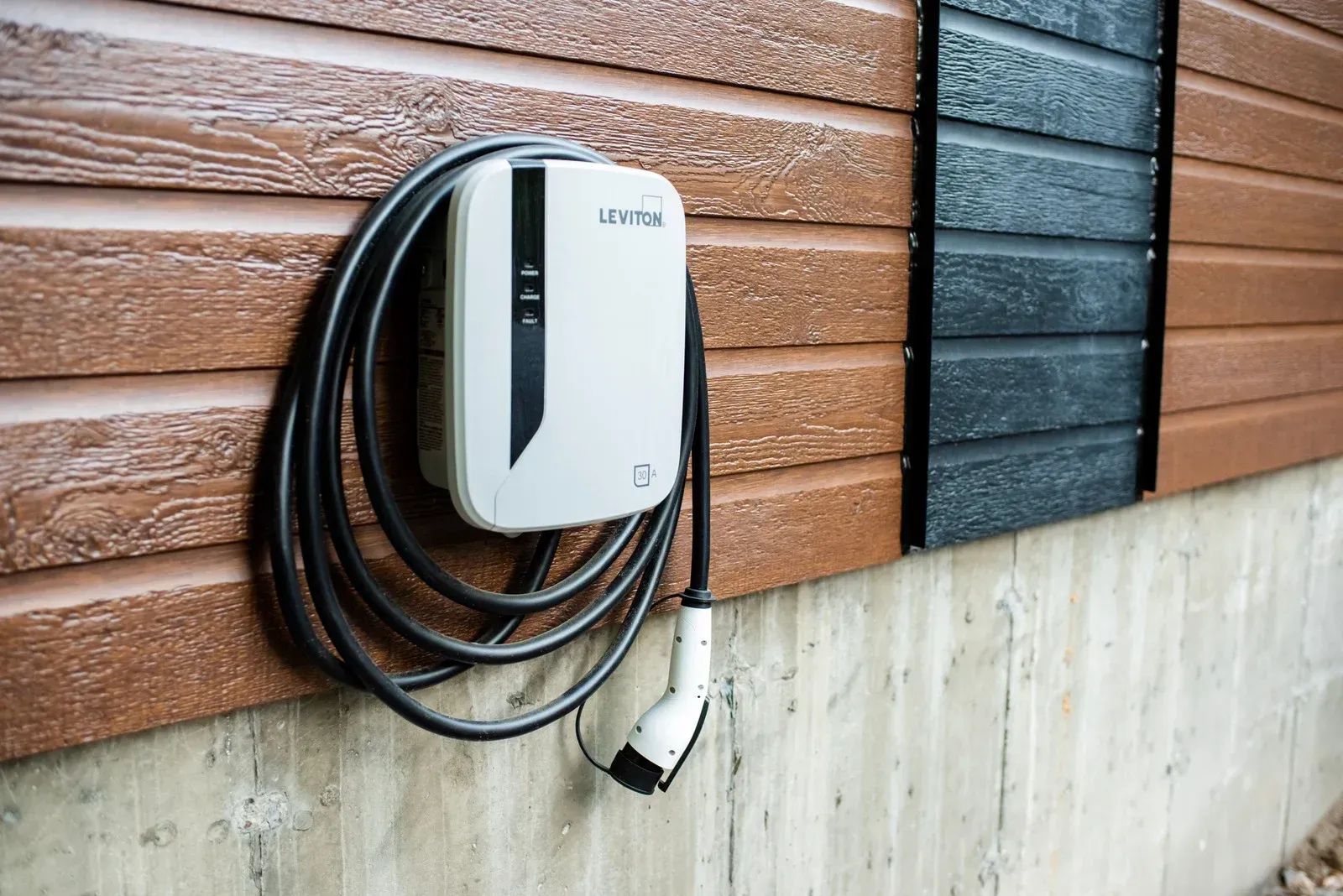
- Level 2 Chargers: Commonly used in residential and commercial settings, Level 2 chargers require a 240-volt power source and can add 20-60 miles of range per hour. These chargers strike a balance between speed and cost-efficiency.
- DC Fast Chargers (Level 3): Found primarily in public spaces, these chargers can provide 60-80 miles of range in 20 minutes. While installation costs and electrical requirements are high, they are essential for high-traffic commercial properties.
Understanding the types of chargers and their capabilities helps property owners select the solution that aligns with usage patterns, budget, and future scalability.
Electrical Infrastructure Assessment
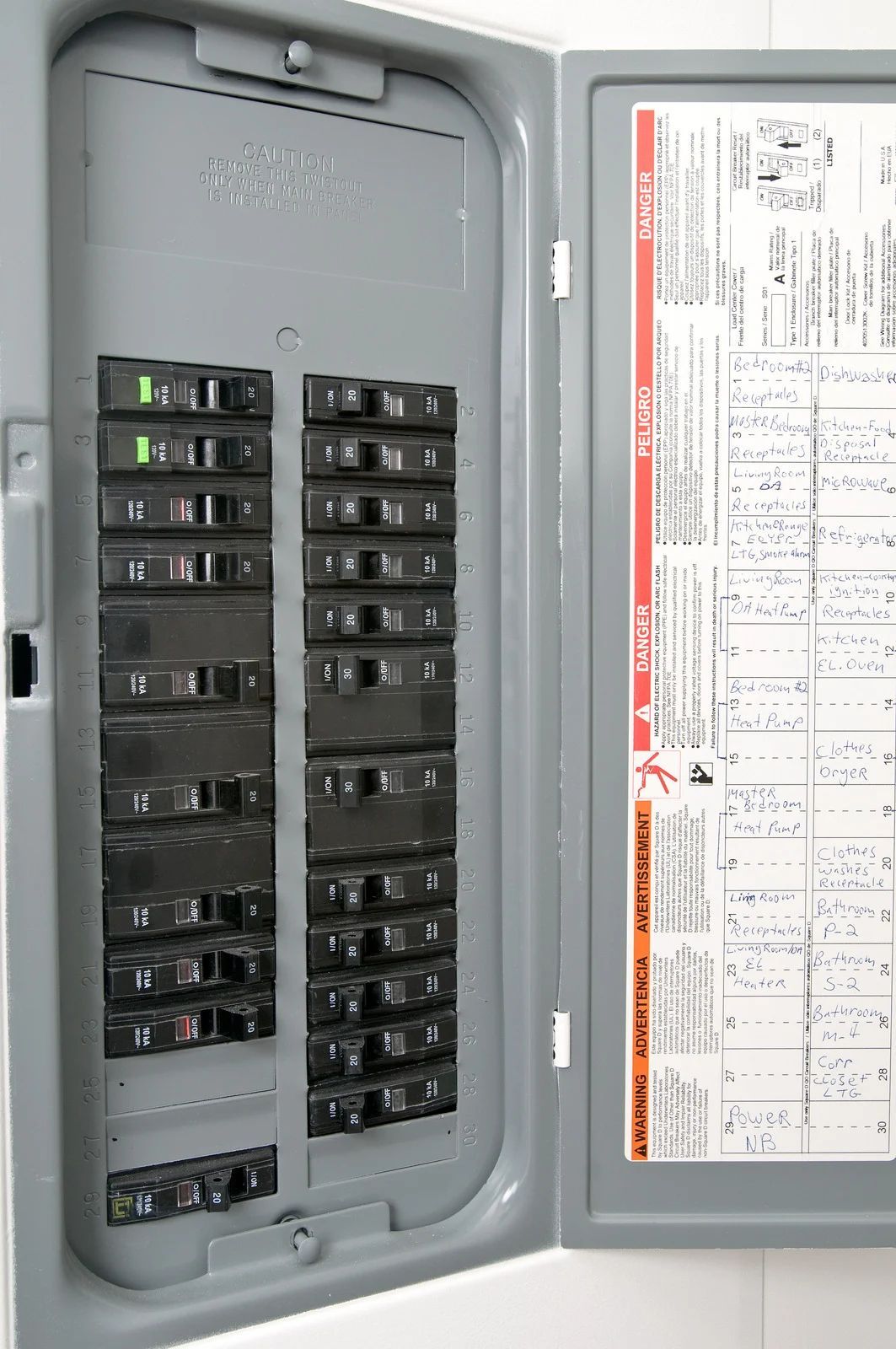
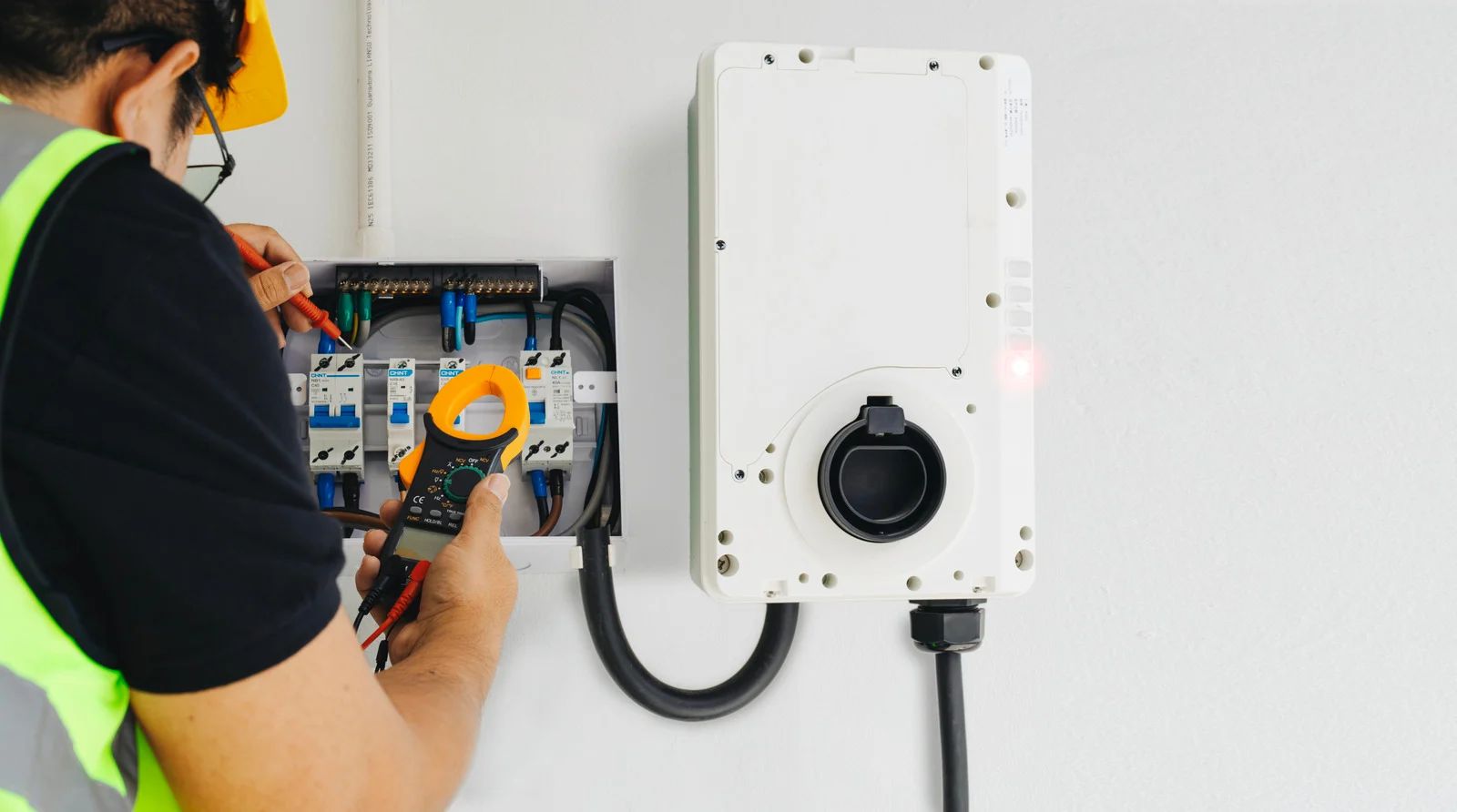
Before installing an EV charger, evaluating the existing electrical infrastructure is critical. Factors to assess include the capacity of the main electrical panel, available amperage, and wiring condition. For commercial properties, load calculations may be necessary to prevent circuit overloads. Engaging a licensed electrician ensures installations are safe, compliant with local codes, and capable of supporting multiple EVs if needed.
Strategic Location Planning
The location of the charger significantly impacts its usability and efficiency. Residential installations should consider proximity to garages, driveways, or parking areas. For commercial spaces, chargers must be accessible, well-lit, and clearly marked to facilitate seamless usage. Strategic placement also reduces installation complexity, minimizes trenching costs, and enhances user convenience.
Benefits of Installing EV Chargers on Your Property
- Enhancing Property Value
EV charger installations are increasingly recognized as desirable amenities. Residential properties with charging stations can attract environmentally conscious buyers and tenants, providing a competitive edge in the real estate market. Similarly, commercial properties offering EV chargers signal forward-thinking sustainability practices, which can influence tenant decisions and enhance lease value.
- Supporting Sustainability Goals
Electric vehicles reduce greenhouse gas emissions, and providing charging infrastructure encourages their adoption. Installing chargers on-site aligns properties with corporate sustainability initiatives, municipal energy goals, and personal environmental commitments. Businesses can showcase their environmental responsibility, potentially qualifying for green certifications or tax incentives.
- Convenience and Efficiency
For homeowners, on-site EV chargers eliminate the need for frequent trips to public charging stations, offering time savings and flexibility. Commercial properties benefit from increased customer satisfaction, as EV owners can charge vehicles while engaging with the business, increasing dwell time and loyalty.
- Attracting Tech-Savvy Clients
Properties equipped with EV chargers cater to a growing demographic of technology-driven, environmentally conscious consumers. In workplaces, providing charging stations can improve employee satisfaction, retention, and productivity by accommodating evolving transportation preferences.
Planning and Implementation Best Practices
Conducting a Site Assessment
A comprehensive site assessment should be the first step in any EV charger installation project. Evaluating electrical capacity, parking layout, accessibility, and anticipated usage ensures a solution tailored to property-specific needs. The assessment can also identify potential obstacles such as outdated wiring, low panel capacity, or limited space for conduit installation.
Selecting the Right Charger
Choosing the appropriate charger depends on expected usage, vehicle type, and long-term property goals:
- For single-family homes, a Level 2 charger often provides the optimal balance of cost and efficiency.
- Multifamily residential properties may require multiple Level 2 chargers with smart management systems to share power among units.
- Commercial properties with high traffic may benefit from a combination of Level 2 and DC fast chargers to accommodate varying vehicle turnover rates.
Compliance and Permitting
EV charger installations are subject to local building codes and electrical regulations. Securing necessary permits and ensuring compliance with safety standards is essential to avoid legal issues and ensure insurance coverage. Working with certified electricians familiar with local regulations streamlines this process and reduces potential delays.
Future-Proofing Through Smart Technology
Integrating smart charging systems enables remote monitoring, energy management, and load balancing. These systems allow property owners to manage electricity usage, reduce peak demand charges, and provide usage data for sustainability reporting. Smart chargers can also support software updates, compatibility with new EV models, and scalability for additional units.
Challenges and Solutions in EV Charger Installations
- Electrical Capacity Limitations
One of the most common challenges is insufficient electrical capacity. Older properties may lack the necessary panel size or wiring to support Level 2 or DC fast chargers. Solutions include upgrading the electrical panel, adding dedicated circuits, or installing subpanels to distribute power efficiently. Professional assessment ensures upgrades are safe and cost-effective.
- Cost Considerations
EV charger installation costs vary based on charger type, electrical upgrades, and labor. Residential Level 2 chargers typically range from $500 to $2,000 for hardware and installation, while commercial DC fast chargers can exceed $50,000. Property owners can mitigate costs by exploring federal or state incentives, utility rebates, and bulk procurement options.
- Installation Logistics
Installing chargers, especially in commercial or multi-unit properties, can involve trenching, conduit installation, and coordination with multiple stakeholders. Planning ahead, scheduling construction during off-peak hours, and engaging experienced electricians minimize disruption and ensure timely completion.
- User Management
For shared spaces, managing access and usage can be challenging. Solutions include app-based authentication, reservation systems, or metered charging to ensure equitable access and prevent overuse. Smart chargers often include built-in features for usage monitoring, billing, and scheduling.
Maximizing ROI with EV Charger Installations
Leveraging Incentives and Rebates
Property owners can significantly offset installation costs by taking advantage of federal tax credits, state-level incentives, and utility rebates. Programs vary by location but may cover a substantial portion of hardware and labor costs. Keeping up-to-date with incentive programs ensures property owners maximize financial benefits while promoting sustainability.
Planning for Scalability
Designing installations with future growth in mind is essential. For residential properties, this may involve leaving conduit capacity for additional chargers. For commercial spaces, scalable designs accommodate increasing EV adoption, avoiding costly retrofits. Smart systems and modular chargers allow upgrades without significant disruption.
Integrating Renewable Energy
Pairing EV chargers with renewable energy sources, such as solar panels, amplifies sustainability benefits. Solar-powered charging reduces dependency on grid electricity, lowers operational costs, and strengthens a property’s eco-friendly profile. Smart energy management systems can balance solar output with charging demand, further optimizing efficiency.
Enhancing User Experience
Ease of use is critical for adoption. Clear signage, well-lit charging locations, and app-based notifications contribute to a seamless experience. Commercial properties can enhance user satisfaction by providing amenities such as covered parking, seating, and Wi-Fi while vehicles charge. Residential users benefit from intuitive smart chargers with mobile notifications, scheduling, and remote monitoring.
Mitigating Risks and Ensuring Safety
- Safety Standards Compliance
EV charger installations must adhere to electrical codes and manufacturer guidelines to prevent fire hazards, overloading, or equipment damage. Certified electricians ensure proper grounding, circuit protection, and compliance with National Electrical Code (NEC) standards.
- Regular Maintenance
Routine inspection and maintenance prolong charger lifespan, ensure safety, and maintain optimal performance. Maintenance includes checking electrical connections, cleaning connectors, updating software, and inspecting cables for wear or damage. Scheduled maintenance prevents downtime and costly repairs.
- Risk Management
Insurance coverage should be reviewed to ensure EV charger installations are adequately protected against damage, liability, or theft. Property owners may need to update policies to reflect new infrastructure and mitigate potential risks.
Securing Your Property’s Future with EV Infrastructure
Totem Electric Inc, based in Greeley, Colorado, brings 36
years of professional expertise in electrical solutions, including
specialized EV charger installations. Our extensive experience allows us to deliver safe, efficient, and future-ready charging solutions for residential, commercial, and multi-unit properties. We guide clients through every step of the process, from initial site assessment and electrical upgrades to smart charger integration and compliance with local regulations. By partnering with us, property owners gain a trusted advisor who prioritizes safety, efficiency, and long-term value. Our commitment to excellence ensures that each installation meets the highest industry standards, providing peace of mind and a reliable foundation for supporting electric vehicle adoption. With a reputation built over decades, we combine technical knowledge, hands-on experience, and customer-focused service to help properties remain competitive, environmentally responsible, and prepared for the evolving transportation landscape. Investing in EV chargers with Totem Electric Inc
is more than an installation—it is a strategic step toward sustainable, future-ready properties.